Stage 03 · Scale
The wall and the page
The same edit rarely works in both.
Entry 3 of 3 in Scale, the third of seven stages between the shutter and the shelf.

A sequence built for a wall and a sequence built for a book are made from the same frames and almost never the same edit.
The physics of each form
A print on a wall is fixed in space. The viewer moves — steps back, leans in, shifts sideways — and the picture meets them at whatever scale the room allows. A spread in a book sits eight inches from the face, held in two hands, with gravity pulling the thing shut. These are different contracts entirely, and an edit that works in one will quietly fail in the other.
On the wall, a single strong frame can carry a room. Graphic, high-contrast images — the ones that read from ten feet and still hold at arm's length — earn their scale. Dense, quiet pictures full of fine texture need room to breathe and a viewer willing to close the gap; in a book, that same intimacy is built in, free of charge. The book gives you proximity; the wall makes the viewer earn it.
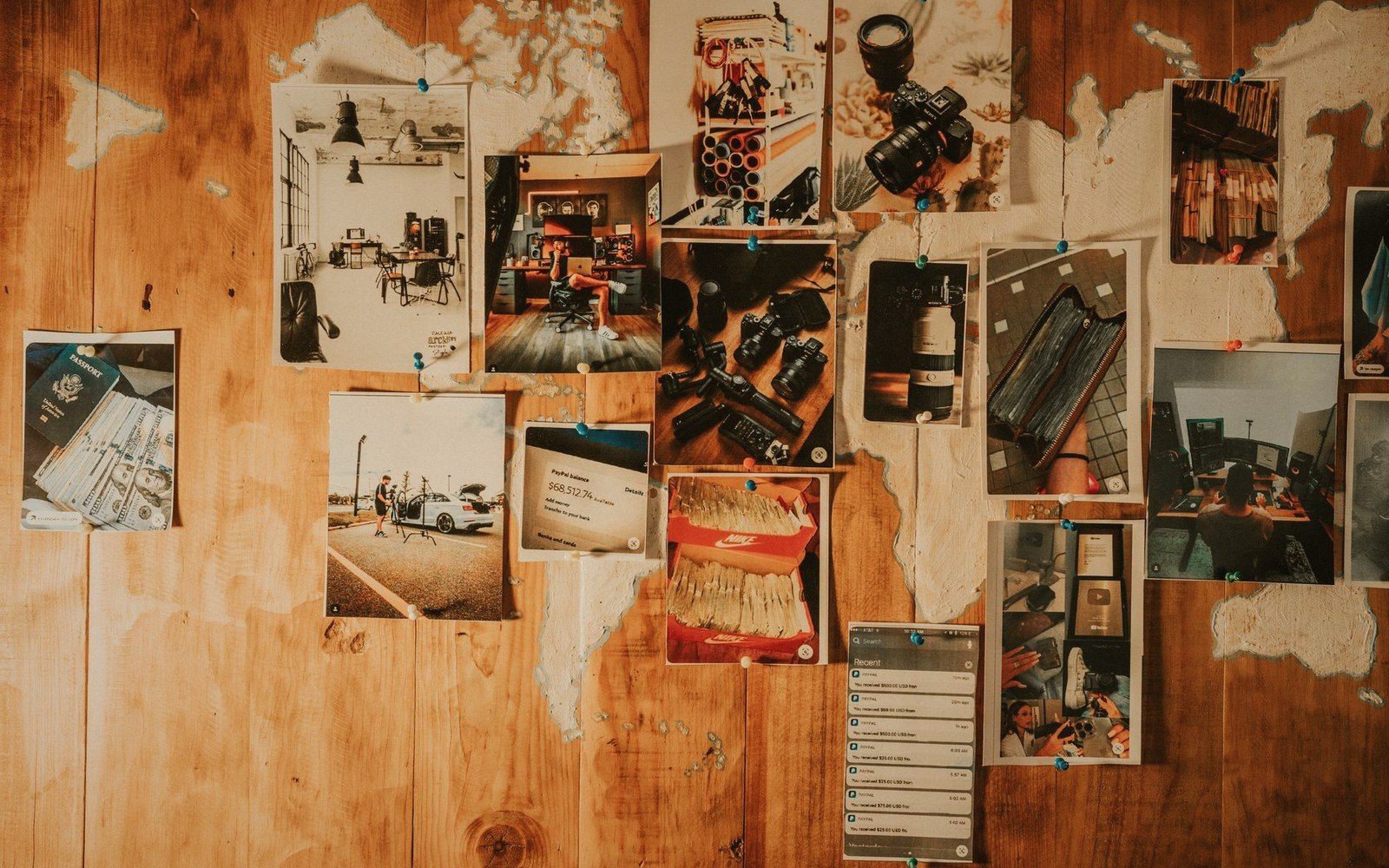
The sequencing logic shifts too. On a wall, the eye moves non-linearly — it catches the brightest frame first, wanders, doubles back. The photographer has some control over adjacency but none over entry point. In a book, the page turn is the only cut the maker fully owns: sequence is time, one direction, page one to last. A photograph that works as punctuation in a wall sequence — a dark frame between bright ones, a pause — can simply disappear in a book, where darkness reads as under-exposure before it reads as intention.
This matters most during the edit. If a body of work is heading toward both forms, the sensible move is to edit them separately, treating each as its own problem with its own solution. The wall is not a rehearsal for the book, and the book is not documentation of the wall. They are, at their best, two different arguments made from the same evidence — and the sooner a photographer stops trying to find the one edit that satisfies both, the stronger each becomes.