Stage 03 · Scale
Viewing distance
The distance at which a print resolves, and whether the room allows it.
Entry 2 of 3 in Scale, the third of seven stages between the shutter and the shelf.
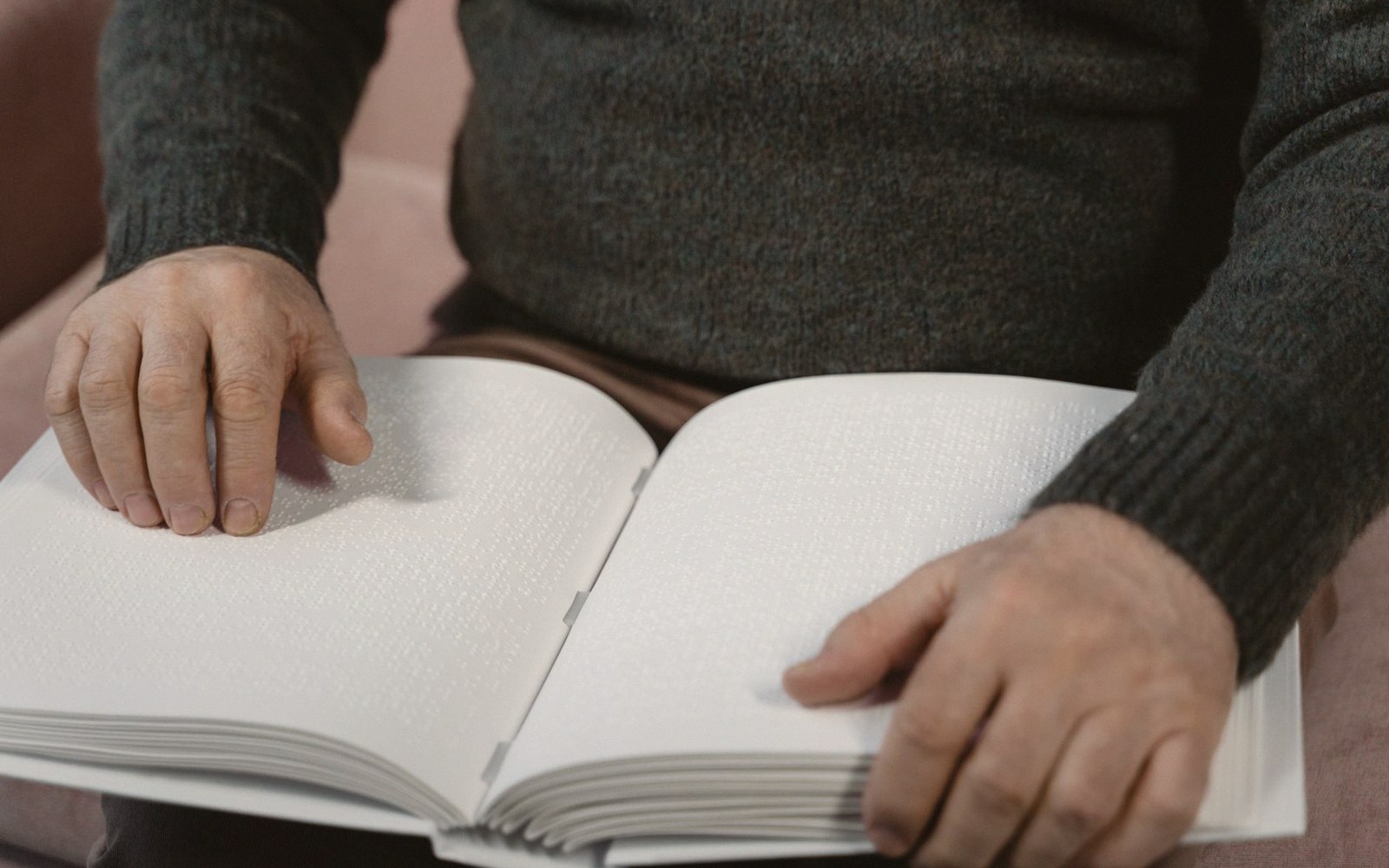
A print is not finished until the room decides what it does.
The distance a print needs
Every photograph has a resolution distance — the point at which grain, pixel structure or tonal transitions lock into a coherent image rather than a visible substrate. For a large inkjet print at 150 ppi, that distance might be a metre and a half. For a tight silver-gelatin contact print, it is centimetres. Neither is wrong, but the room has to allow it.
This is where many exhibition edits fail quietly. A photographer scales up because scale feels serious, then hangs the work in a room where the back wall is four metres from the front. The viewer stands where the room puts them — usually about halfway across — and the print never resolves. What reads as authority in a preview image reads as mush on the wall.
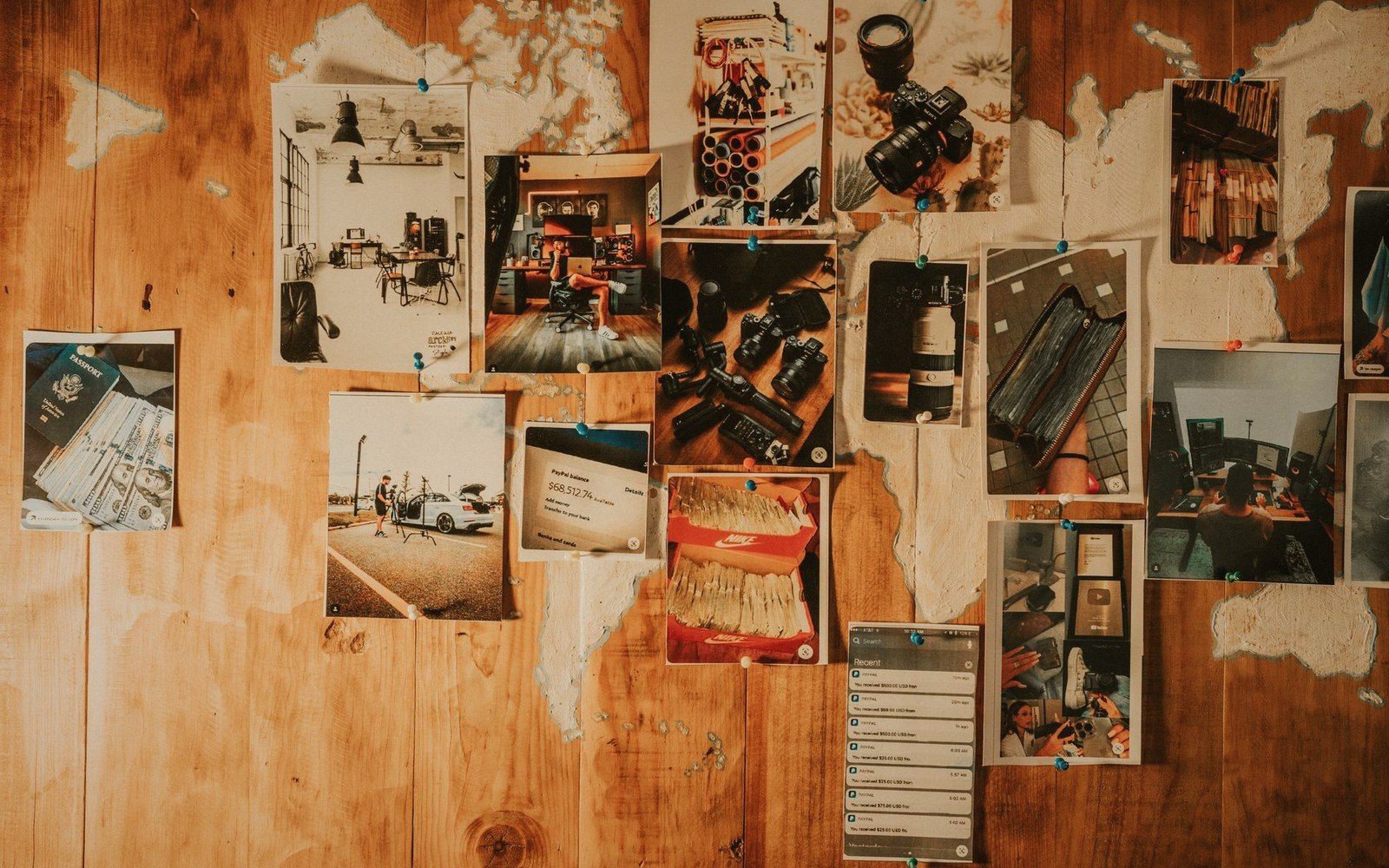
The calculation runs both ways. A small, detail-dense frame hung at the centre of a long gallery wall asks the viewer to walk to within half a metre of its surface. If the room discourages that — a rope barrier, a sightline that reads the work as decorative — the detail never lands. Scale is part of the picture, but scale only pays off when the distance closes.
Working the room before you commit
The practical fix is to visit the space before finalising print sizes, not after. Walk the room and mark, physically, where a viewer naturally stops. Note where a doorway frames a first look, where a corner forces a pause, where the light source places a strong reflection at a specific angle. These are the distances your prints must work at — not the distance you prefer in your own studio.
A useful test: stand at the expected viewing distance and decide whether the picture is doing its work in graphic terms, in tonal terms, or in fine detail. Graphic photographs — strong silhouettes, flat planes of tone — survive almost any distance and can afford to be smaller. Photographs that depend on texture, skin, fine structure or layered shadow need either a closer viewer or a larger surface to maintain their resolution distance at the natural stopping point.
Printing for the wall without knowing the room is guesswork dressed as decision-making. The contact sheet, the work print, the dummy — every earlier stage of editing is provisional by design. Viewing distance is where provisional becomes permanent, and the room is the last editor. Give it the information it needs.