Stage 07 · Terms
Work print
A cheap print made to be marked up and thrown away.
Entry 2 of 3 in Terms, the seventh of seven stages between the shutter and the shelf.
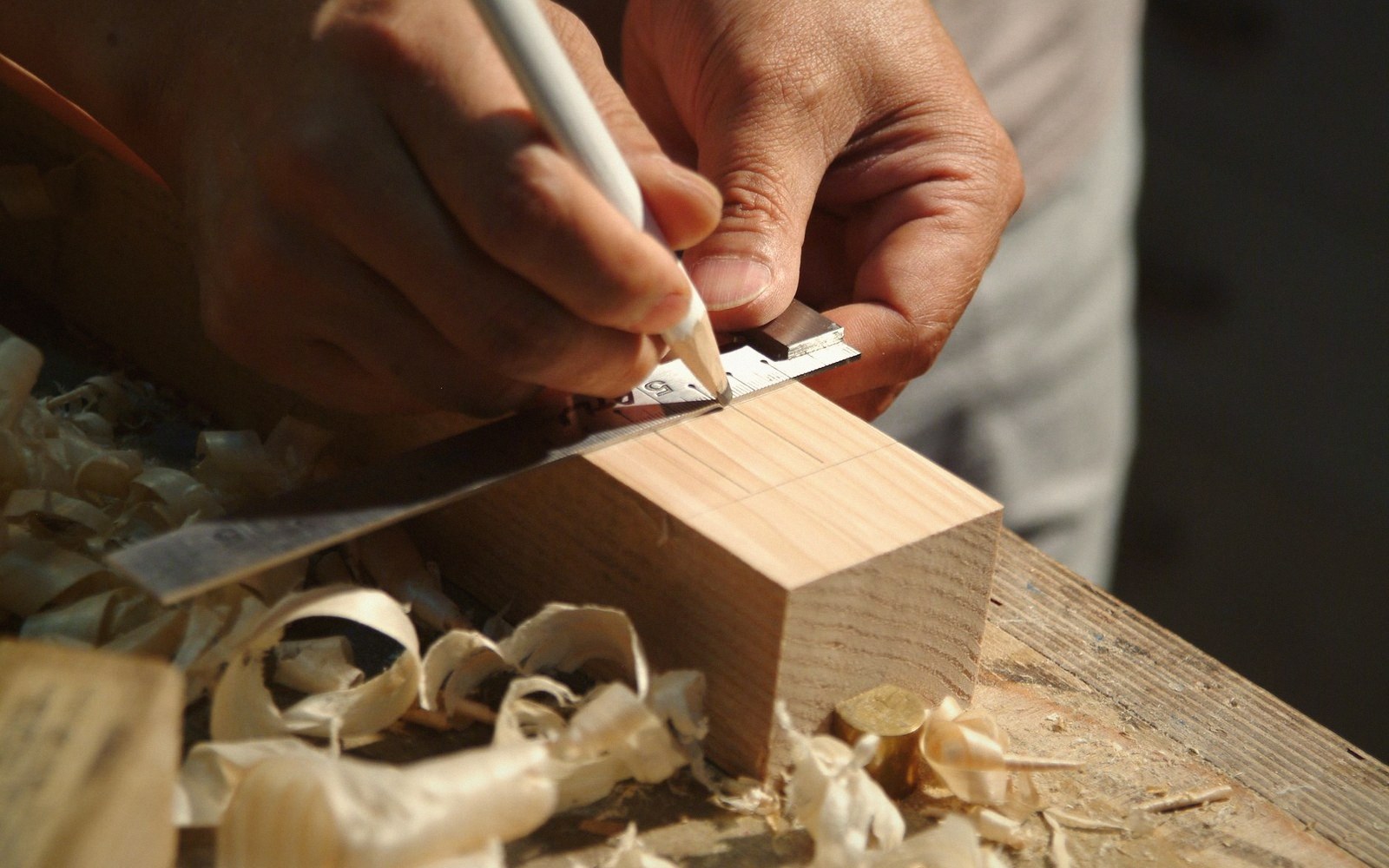
A cheap print made to be marked up and thrown away
The work print is not precious. It is not meant to be. It comes off the printer or out of the darkroom at low cost, on ordinary paper, at a size you can lay flat on a table and write on — and writing on it is the point.
The practice belongs to both darkroom and digital workflows, though the logic is the same in either: you need a physical object in your hands before you can make real decisions. A screen shows you pixels in sequence; a work print shows you a photograph in space. You can turn it, pin it beside another, scrawl a crop mark across its corner with a wax pencil, cross it out, fold it in half to test a tighter frame. None of that is possible while your hands are on a keyboard.
In a traditional darkroom the work print was pulled at a middle-grade exposure — call it a test print rather than a finished one — on RC (resin-coated) paper, which dries fast and costs little. The image might be flat, the shadows blocked, the highlights blown; that is acceptable. What you are judging at this stage is content, not craft. The fine print comes later, once the decisions have been made.
Digital practice has its own version: a contact-sized or letter-sized inkjet run on plain paper, loose and cheap enough that you will not hesitate to mark it up or bin it. Some editors print a fresh batch every time the selection changes, precisely to keep the objects disposable. Reverence for the object is the enemy of the edit.
The moment a print feels too good to write on, it has crossed the line from tool to artwork — and something useful has been lost. Keep work prints cheap, keep them numerous, and keep them in a separate pile from anything that is meant to last. The stack on your table should look like evidence of thinking, not a collection.