 02
02Sequence
Order as argument
Two photographs side by side make a claim neither makes alone. Sequencing is building those claims deliberately.
A frame is raw material. The work is everything after.
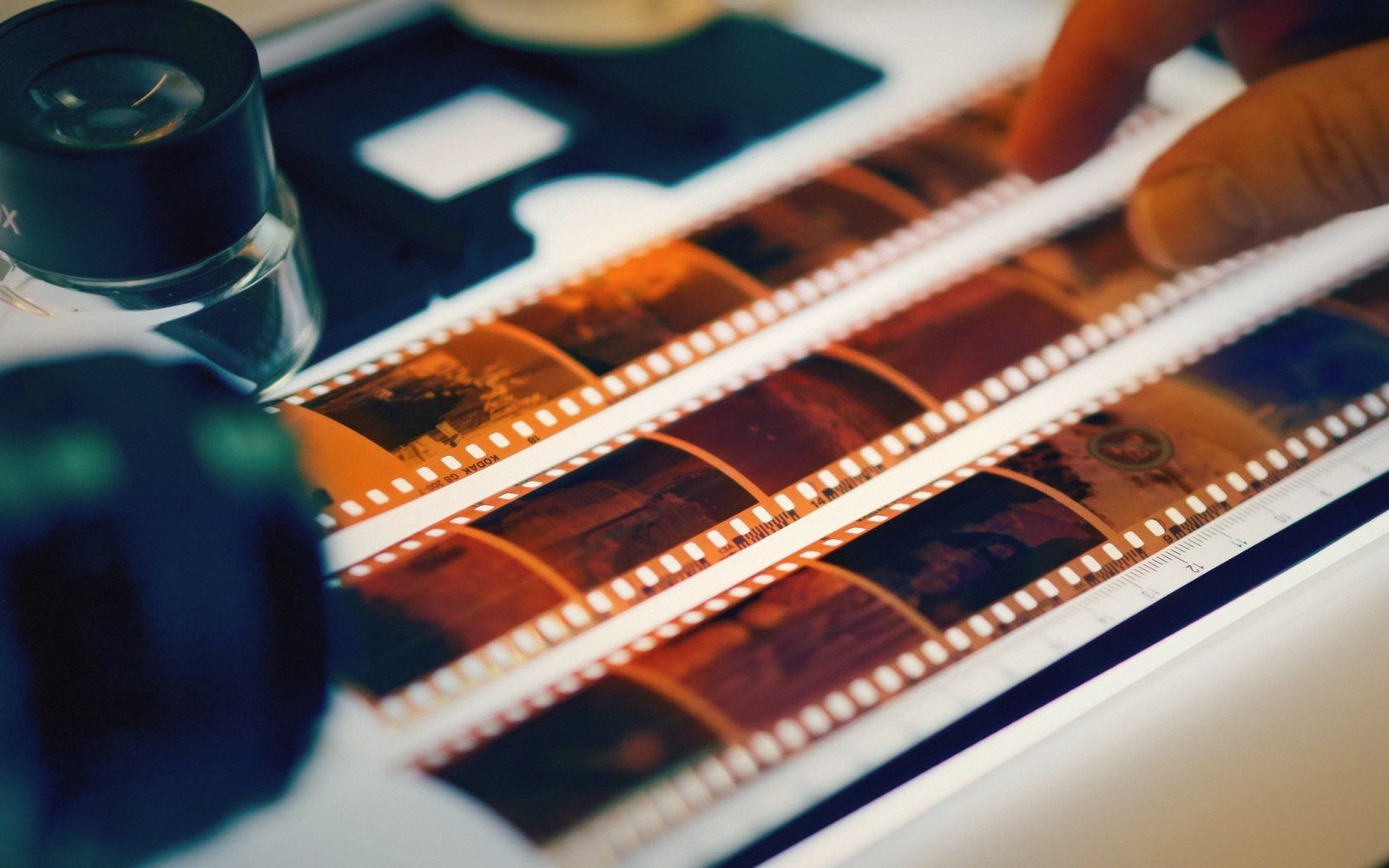
Stage 01 · The Edit
The frames a photographer is attached to are usually attached to the memory of taking them, not to what is in them. An edit that survives is one where somebody else cannot tell which were difficult.
Presses, archives, and practitioners who inhabit the same end of the editing table.
The premise
Every entry is a decision made after the shutter, and what it costs the work.
Seven stages, twenty-four entries. Each one takes a single decision — which frames go, how large a print wants to be, what the fold of a book takes from a spread — and sets out what the decision costs the work. What this publication is
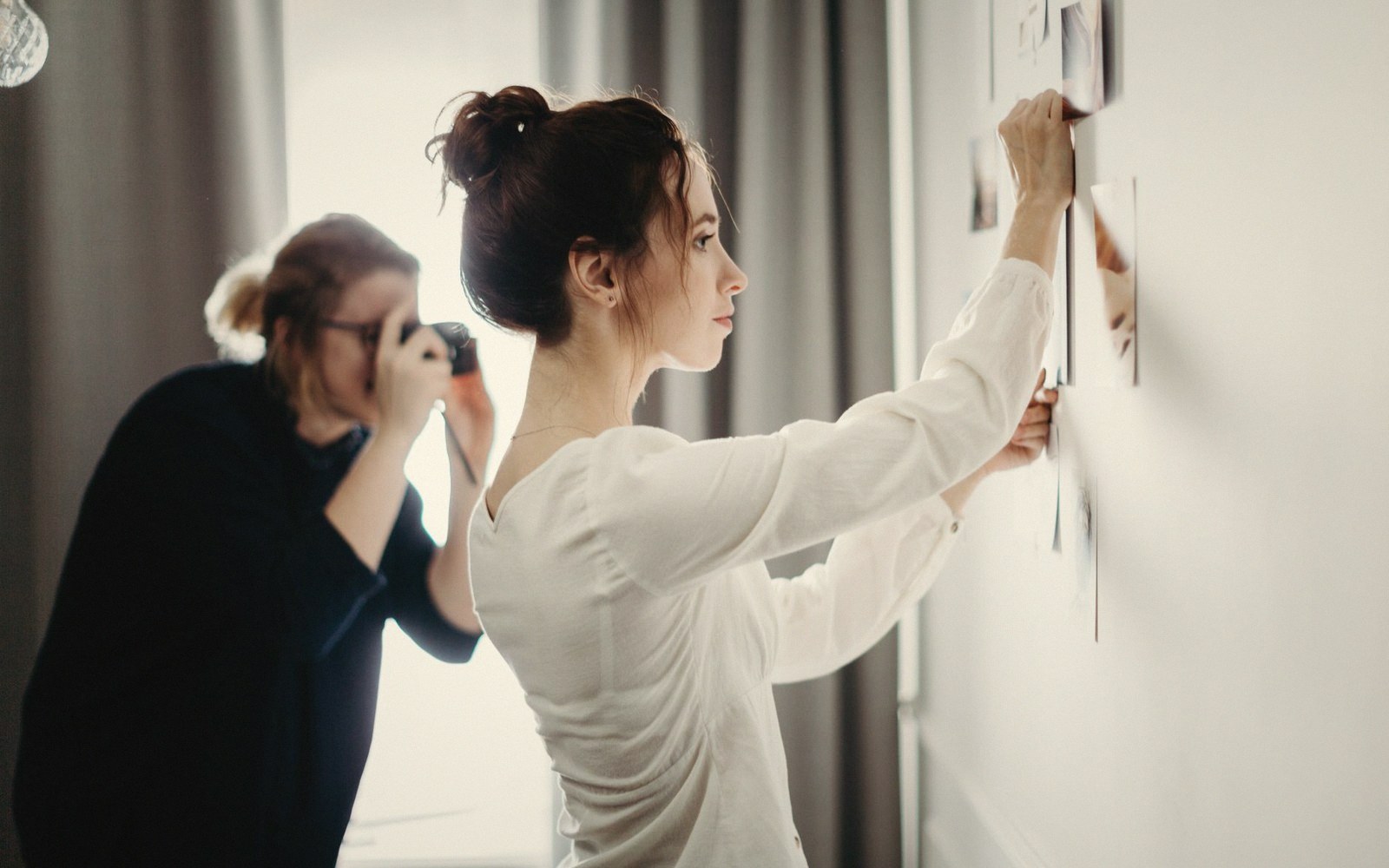
Above: work prints pinned across a wall in a sequence · Photo: Amar Preciado / Pexels
One from the sequence, one from the print, one from the book. Each is a choice somebody has to make by hand.
02Sequence
Two photographs side by side make a claim neither makes alone. Sequencing is building those claims deliberately.
 04
04The Print
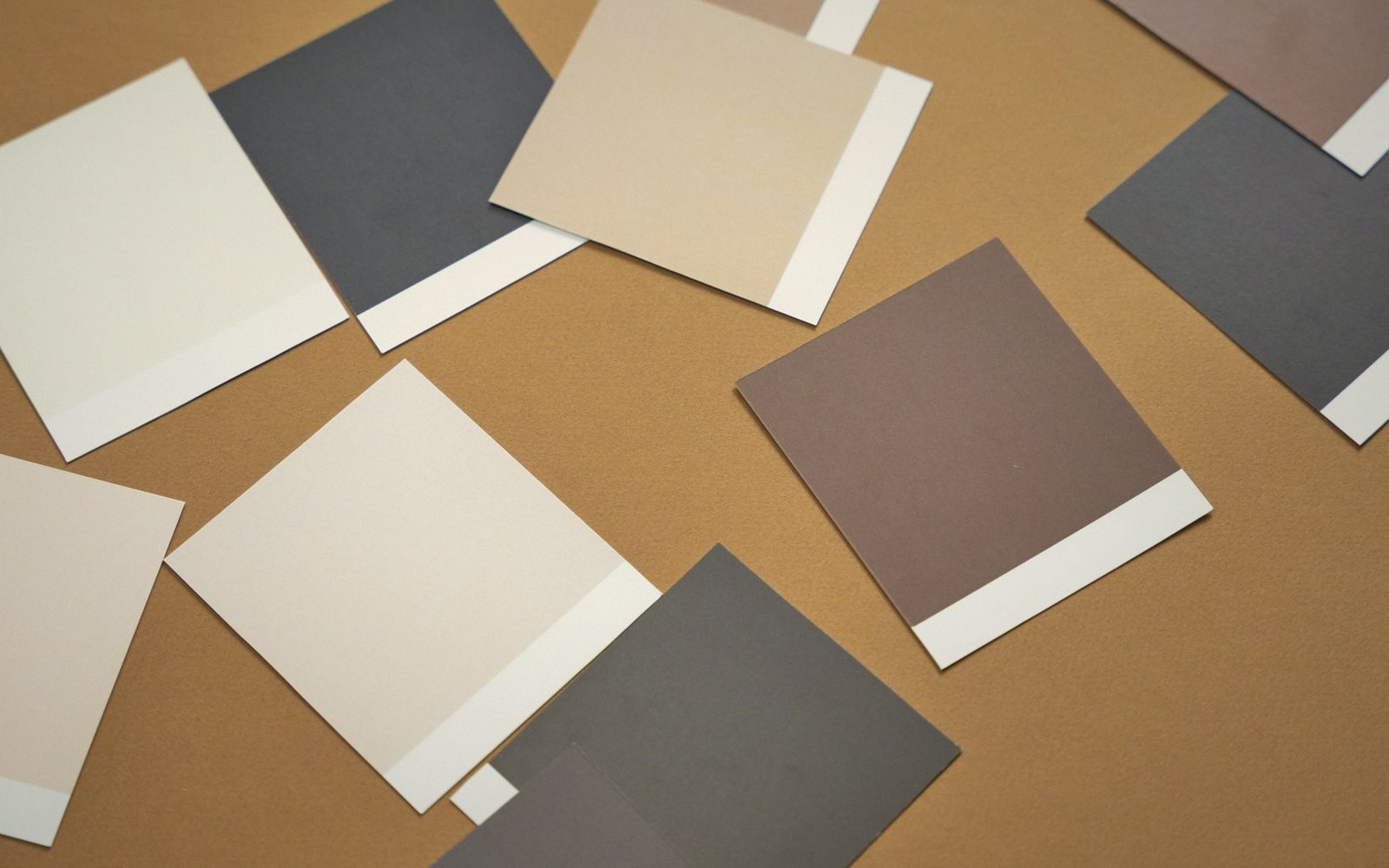
Matte papers cannot reach the black a gloss surface can. The choice sets the tonal floor before anything else.
 05
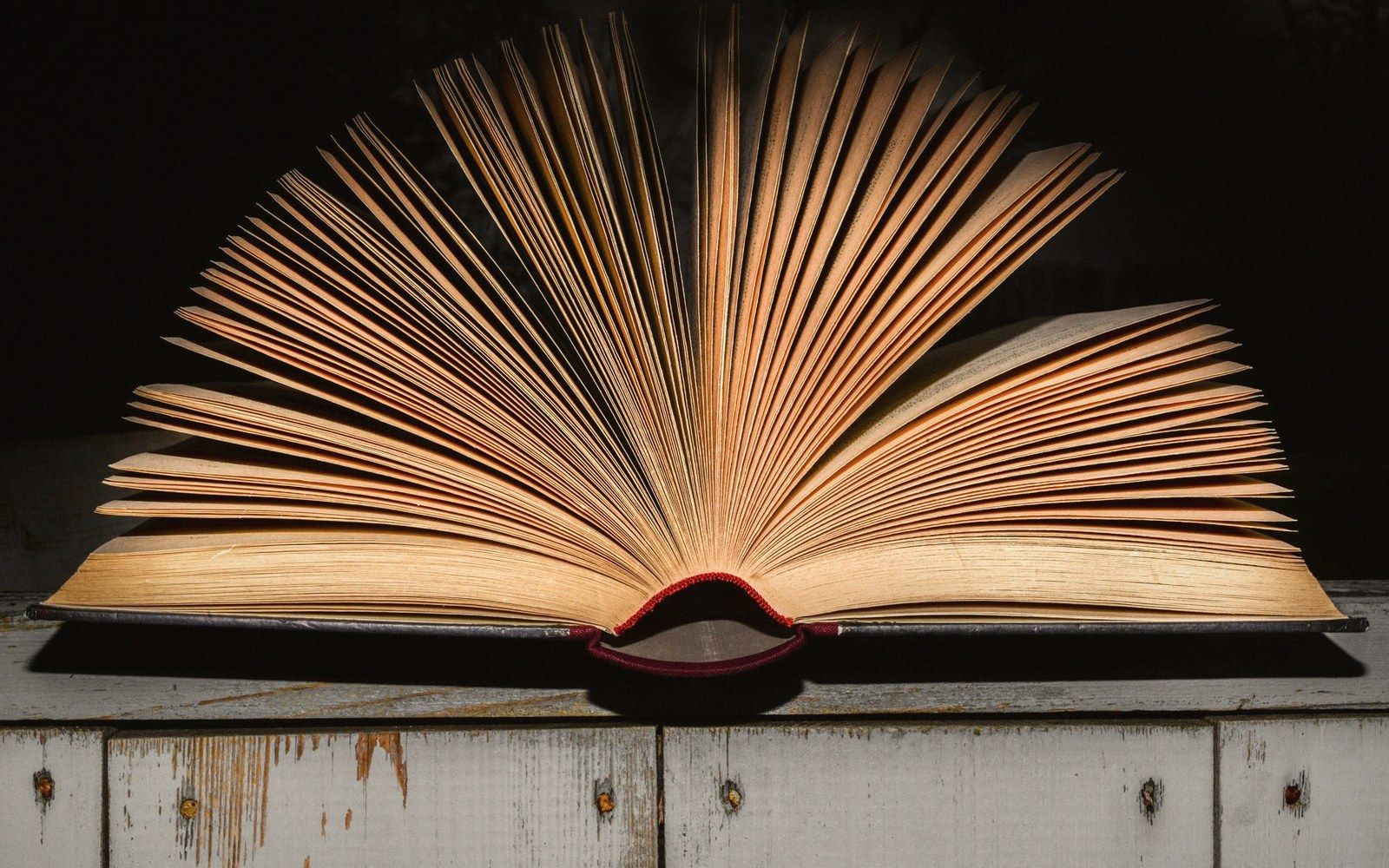
05The Book
The fold eats the centre of a spread, which decides what can be printed across one.
Each stage is one continuous run of entries, in the order the work happens.
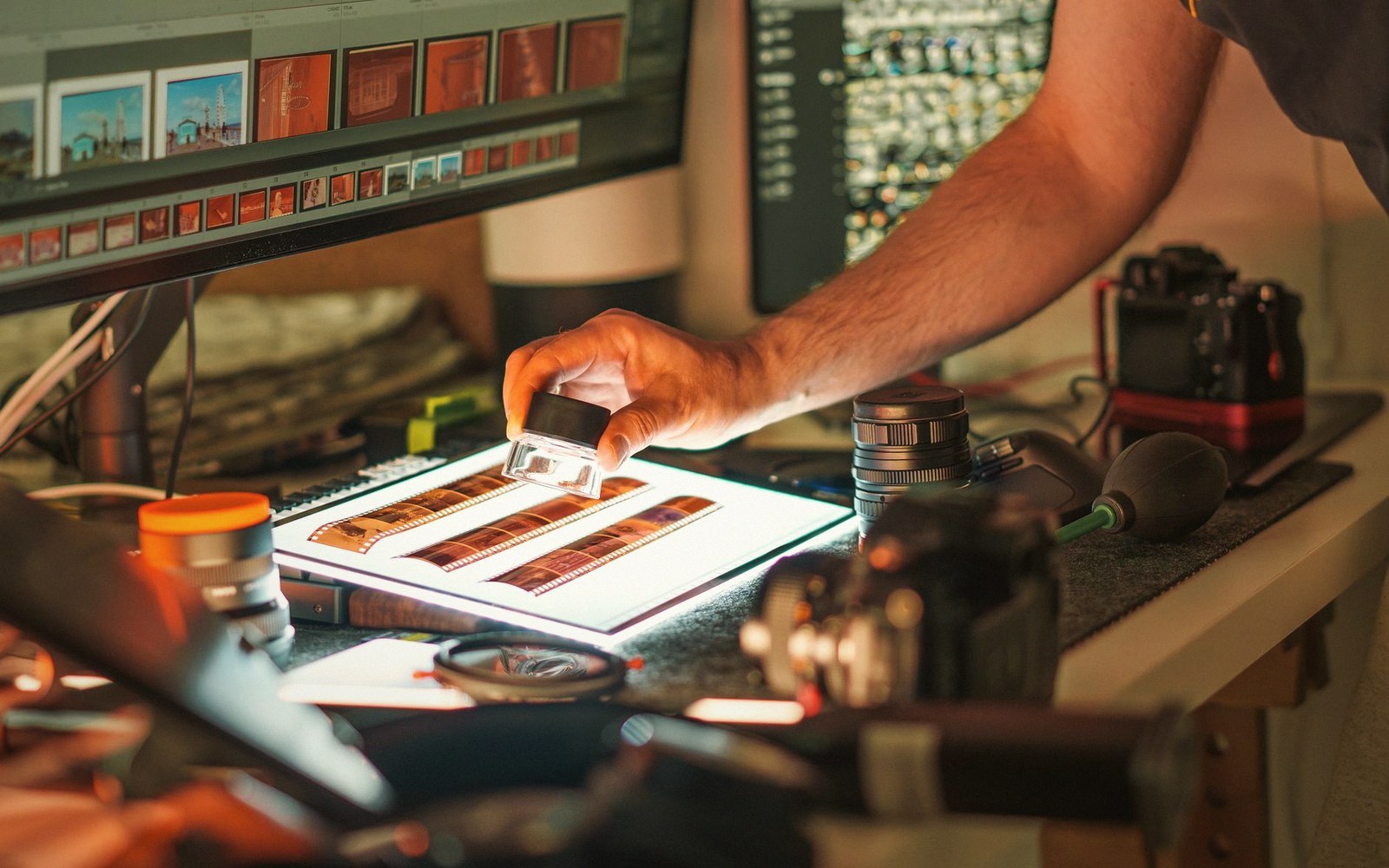 01The EditCutting four hundred down to twenty-four.4 entries02SequenceWhere the order carries the argument.3 entries
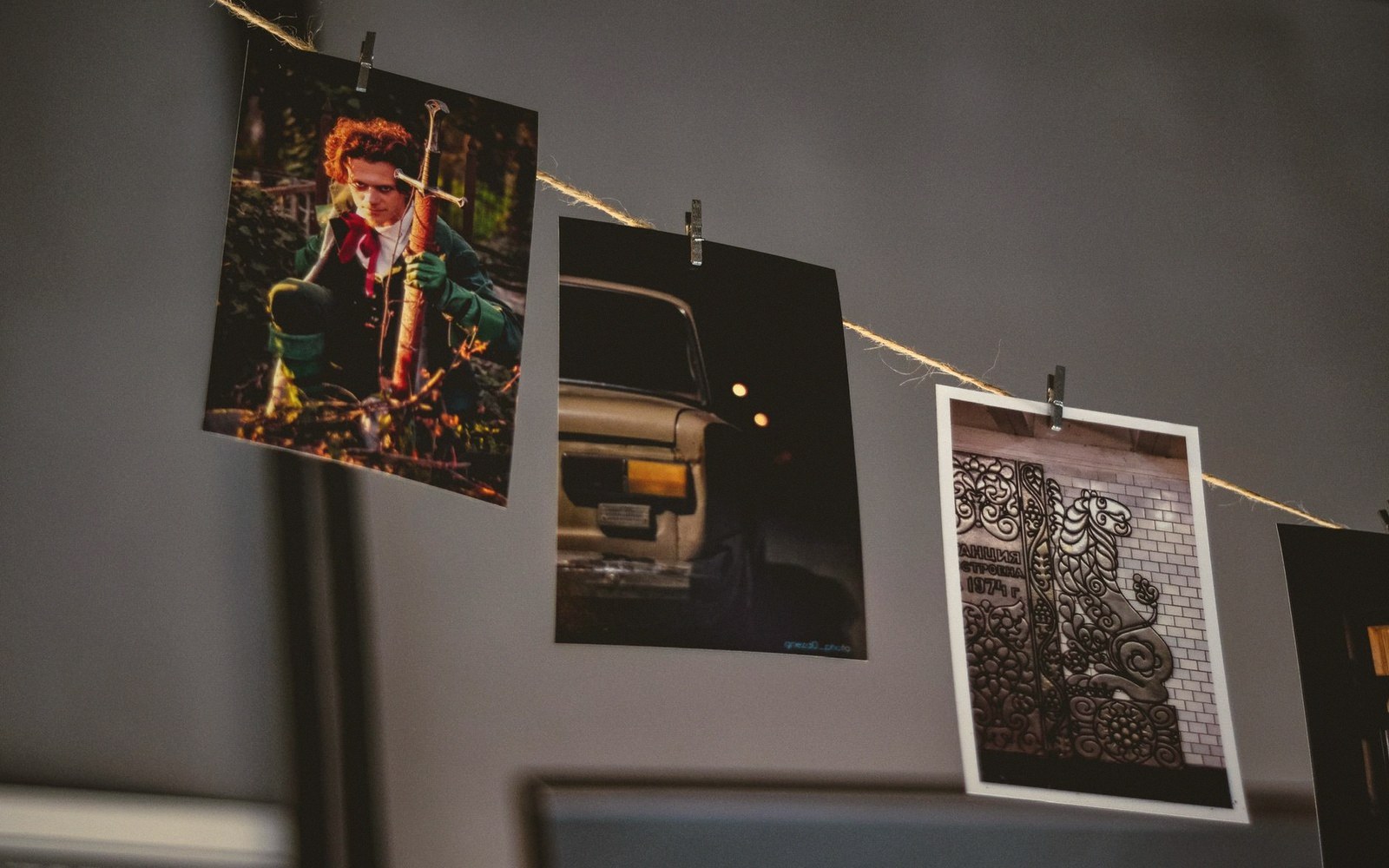 03ScalePostcard, or a metre across.3 entries
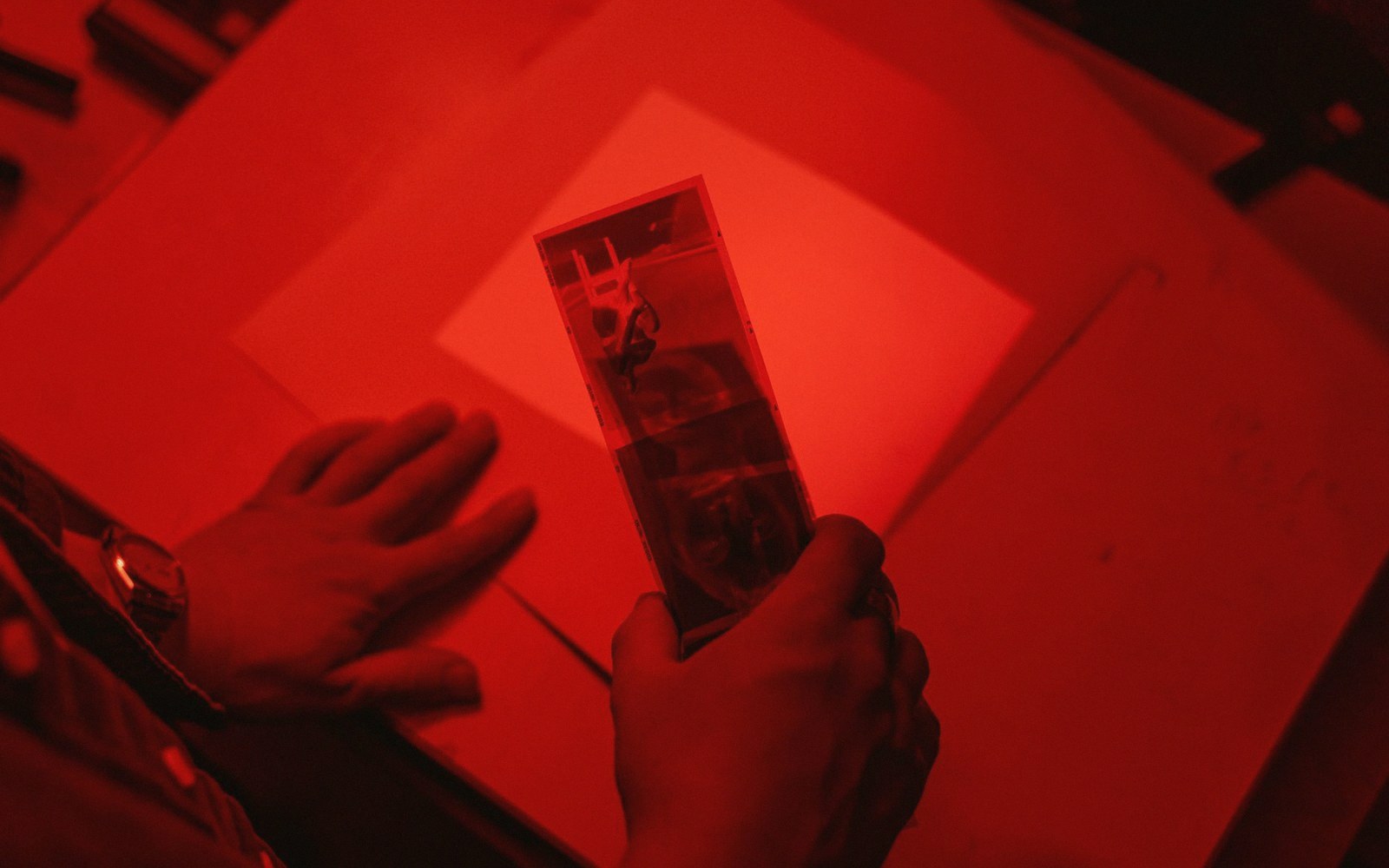 04The PrintPapers, blacks and toning.4 entries
 05The BookGutter, page turn and stock.4 entries
 06The ArchiveKeeping what you made.3 entries07TermsThe vocabulary, defined plainly.3 entriesAll entriesThe whole register on one page, grouped by stage.24 in total
Three entries on what is worth keeping, the materials that decide how long it lasts, and the naming that makes any of it findable again.