Stage 07 · Terms
Contact sheet
Every frame at negative size on one sheet, and why it is still the fastest edit.
Entry 1 of 3 in Terms, the seventh of seven stages between the shutter and the shelf.
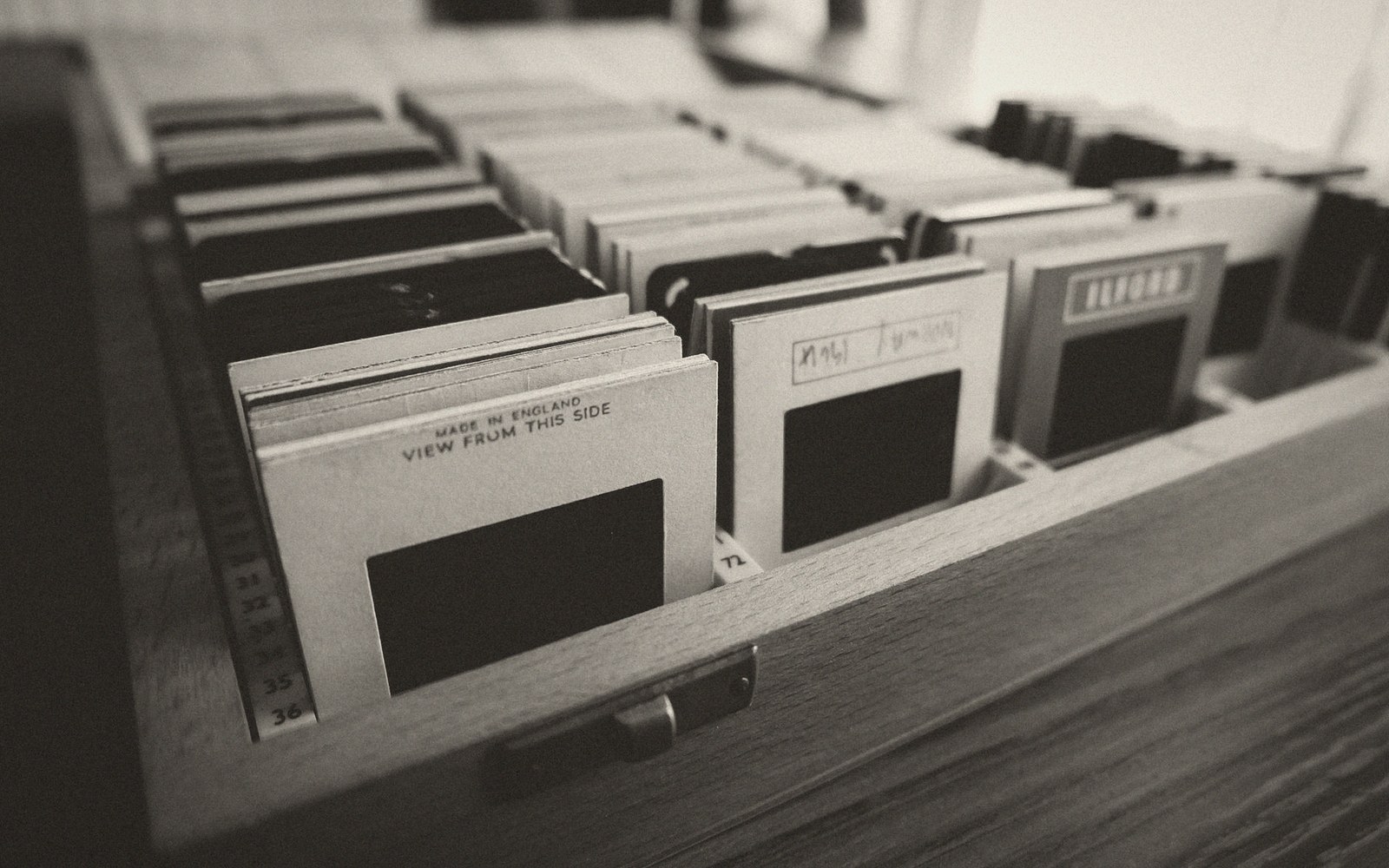
The fastest edit there is
Print every frame at negative size on a single sheet, and you have a contact sheet: the whole take, in sequence, in the time it takes to scan the room. No enlargement, no selection, no commitment — just evidence.
The name is literal. In the darkroom the negative strip was laid directly on photographic paper, glass pressed on top, and the sheet exposed to light. The result was a contact print: each frame reproduced at exactly the size of the negative, emulsion to emulsion, with no lens in between. Medium-format negatives produced frames large enough to read without a loupe; 35mm strips required one, and the loupe — a small magnifying glass held an inch from the sheet — became as standard a piece of kit as the squeegee.
Digital workflows replicated the form because the form works. A contact sheet in Lightroom, Capture One or any competent browser is not nostalgia — it is the same argument: compress the visual information so that relationships between frames become visible. At negative size you stop reading individual pictures and start reading runs. A sequence of six frames where the light shifts, or the subject relaxes, or the composition tightens: you see that arc across the sheet in a single glance. You would miss it if you were full-screening each frame in turn.
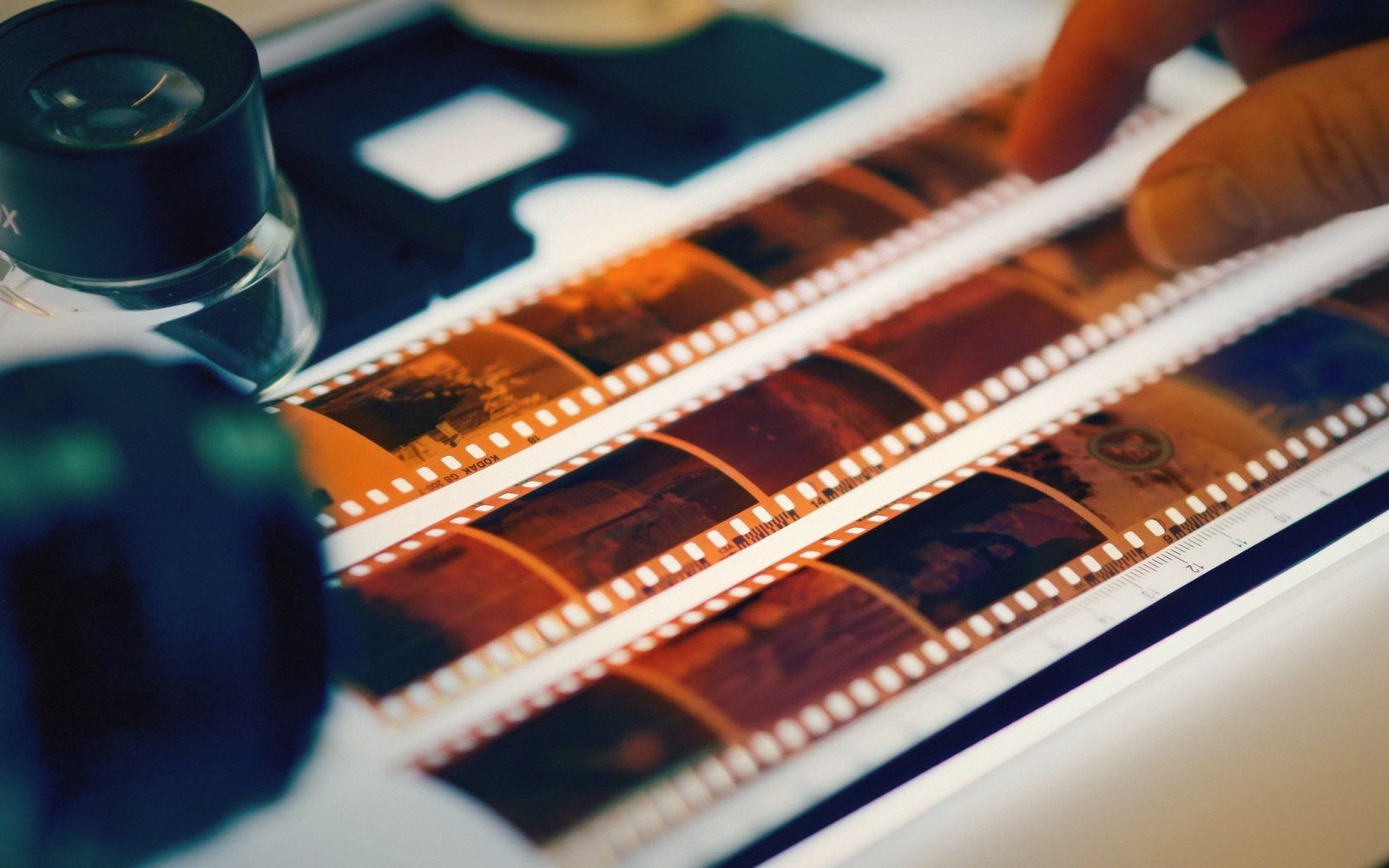
Editing begins here. The first pass is brutal: a wax pencil or a star-rating, X-ing out everything that is technically wrong or obviously redundant. What survives is not the edit — it is the field the edit comes from. Experienced editors work a contact sheet in two or three passes, each one narrowing the field, leaving time between them before committing to anything that will be printed or sequenced.
The contact sheet is also an honest record. Because it preserves every frame in order, it shows how a photographer thinks: where attention was, how long they stayed, where they hedged by shooting twice or gave up too soon. For this reason contact sheets have archival weight out of proportion to their size. The strips themselves may fade, tear or go missing; the contact sheet, if kept, holds the shape of the session.
One discipline the form enforces is worth naming: you cannot over-read a frame at this scale. The picture that looks extraordinary at 100 per cent on a monitor often reads as merely competent in the contact sheet grid — and the frame you passed over, cropped awkwardly at the edge of a strip, may arrest you on the third pass when you finally see what it is doing. The contact sheet is not a reduction. It is a correction for the eye's tendency to be seduced by scale.