Stage 01 · The Edit
The second pass
Time between passes does more than any method.
Entry 3 of 4 in The Edit, the first of seven stages between the shutter and the shelf.
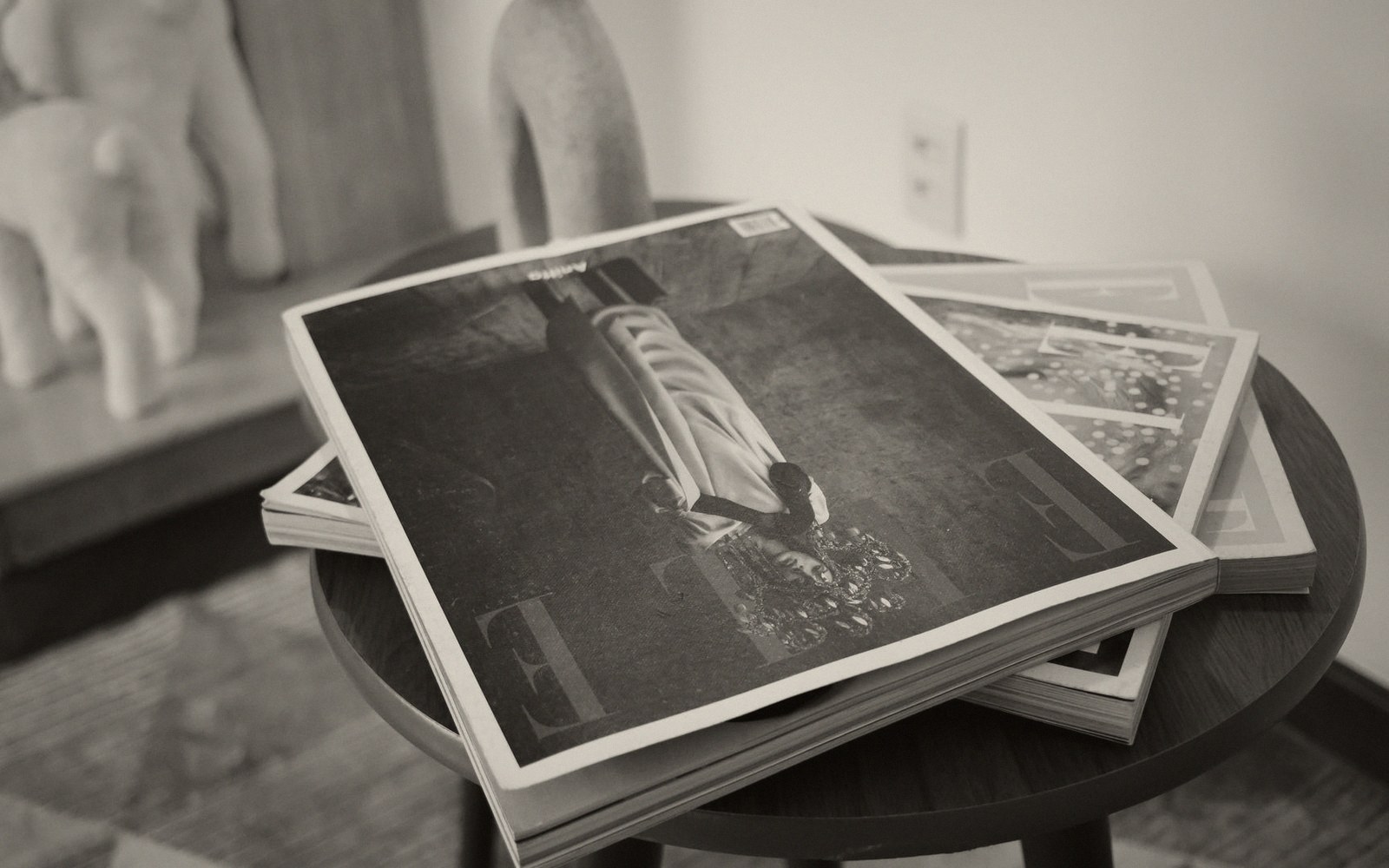
The edit you make on the day is almost never the edit you keep.
The problem with fresh eyes
You finish a shoot and sit down at the screen. The impulse is immediate: sort, flag, reject, keep. The energy of the picture-making is still live in you — every frame carries the feeling of the moment it was taken, the light you waited for, the fraction of a second you felt something land. That feeling is information, but it is not editorial judgment. It is attachment, dressed up as decision-making.
The first pass has a function. Go through everything, eliminate the technically lost — out of focus by accident, wrongly exposed beyond recovery, the frames where something failed before you even meant to press the shutter. That takes ten minutes and it is useful. Stop there. The rest, leave alone.
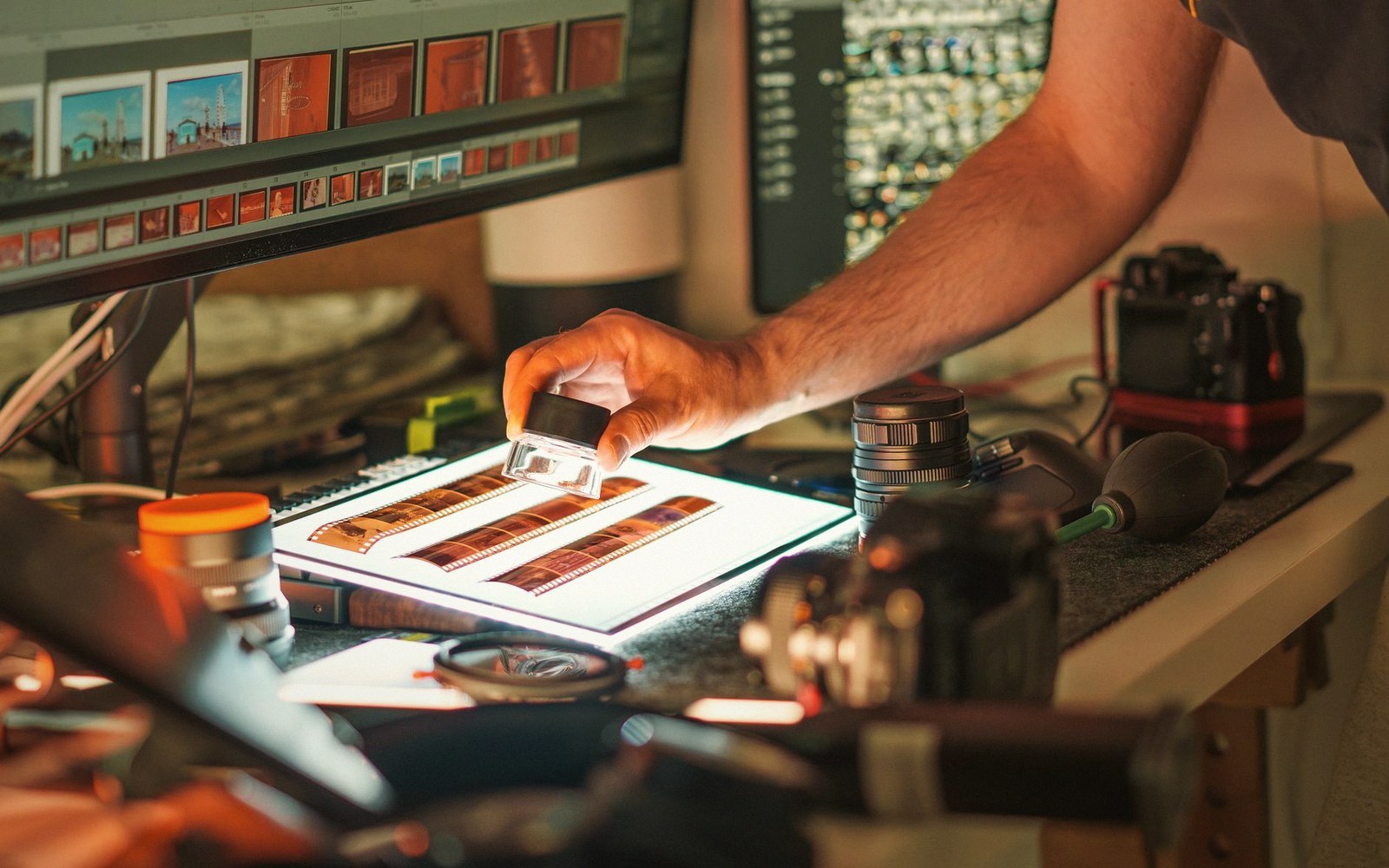
What happens when you return two days later, or five, or two weeks, is not a mystery. The memory of taking any given frame has faded just enough that the frame has to stand on its own. It either does or it doesn't. The picture that reminded you of the cold that morning now just shows a woman in a coat. Whether the woman in the coat is interesting is a question the photograph can now answer by itself, without your assistance.
This is the whole mechanism. Time removes the author from the room.
Practical structure for the second pass
The gap is not the only variable. What you do when you return matters too.
Work from a contact sheet or a grid view that shows every surviving frame at the same small size and in the same light. Small and consistent is the point — you are reading the set, not admiring individual prints. Enlarging a frame at this stage is a way of falling back in love with it. Don't enlarge until you have already made a shortlist.
Work fast. Fast is harder on the frame. A picture that cannot get your attention in three seconds at small size is probably not the picture that will stop a viewer at a wall. There are exceptions — a photograph that rewards long looking is a real thing — but those are few, and they still have to flag you first. If you find yourself constructing an argument for why something works, you are no longer editing; you are lobbying.
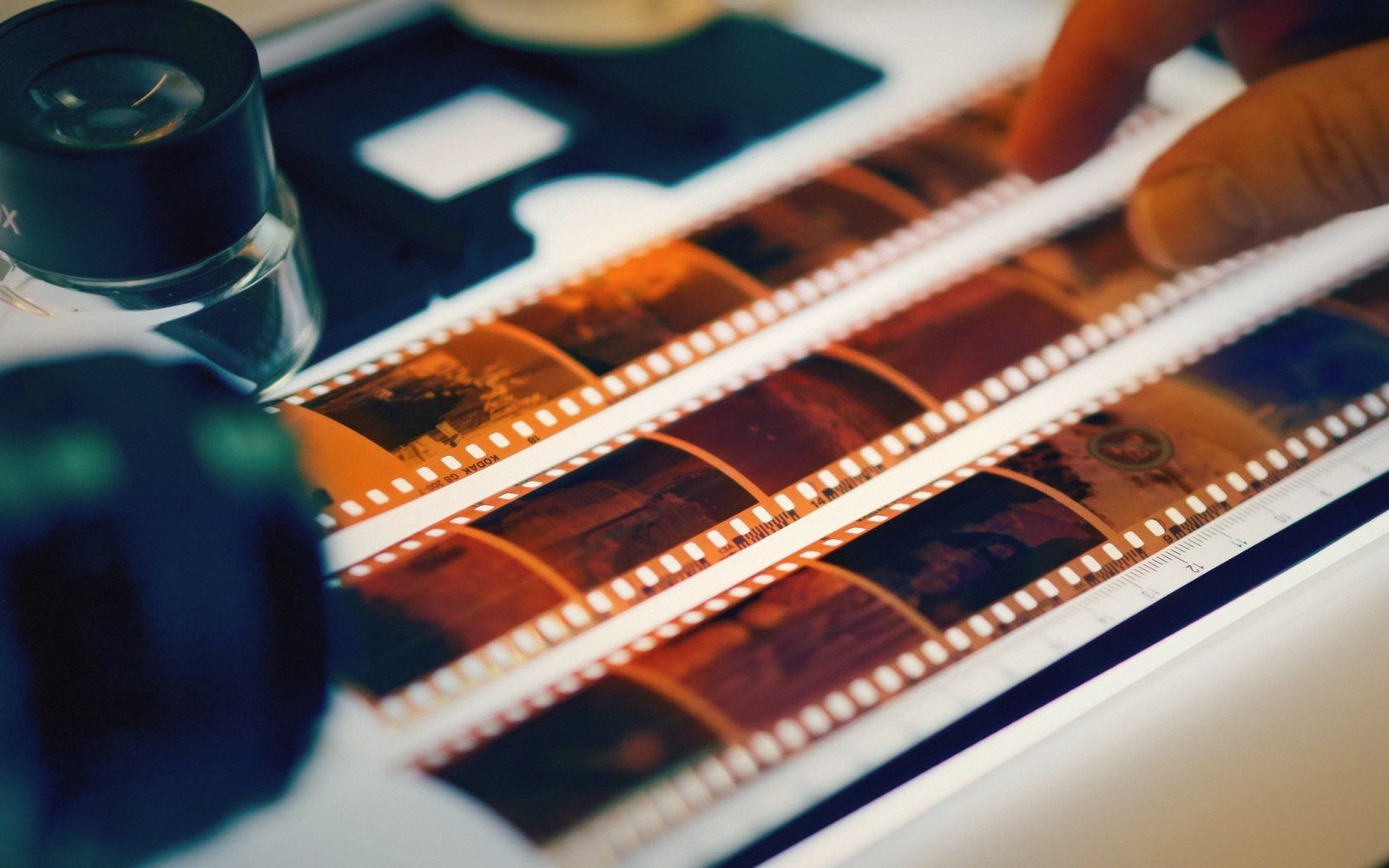
The second pass will often cut the surviving set by half again, sometimes more. That is what it is supposed to do. If you return and change almost nothing, you either left the first pass too thin or you haven't left enough time. Sit with the discomfort of going back a third time. The frames a photographer is attached to are usually attached to the memory of taking them — and that attachment often outlasts a single night's sleep.
Make physical notes. Write on a printout with a pencil, put a coloured dot on the back of a work print, mark up a contact sheet. The act of writing forces a moment of commitment that a software star-rating only approximates. You have to mean it to mark it.
When the shortlist is down to something manageable — twenty-five frames, thirty, whatever the project warrants — then you can begin to look closely. Enlarge. Check sharpness in the corners, evaluate tone, decide whether a frame is doing what you thought it was doing at size. Some will disappoint; a few will surprise you upward. The shortlist adjusts.
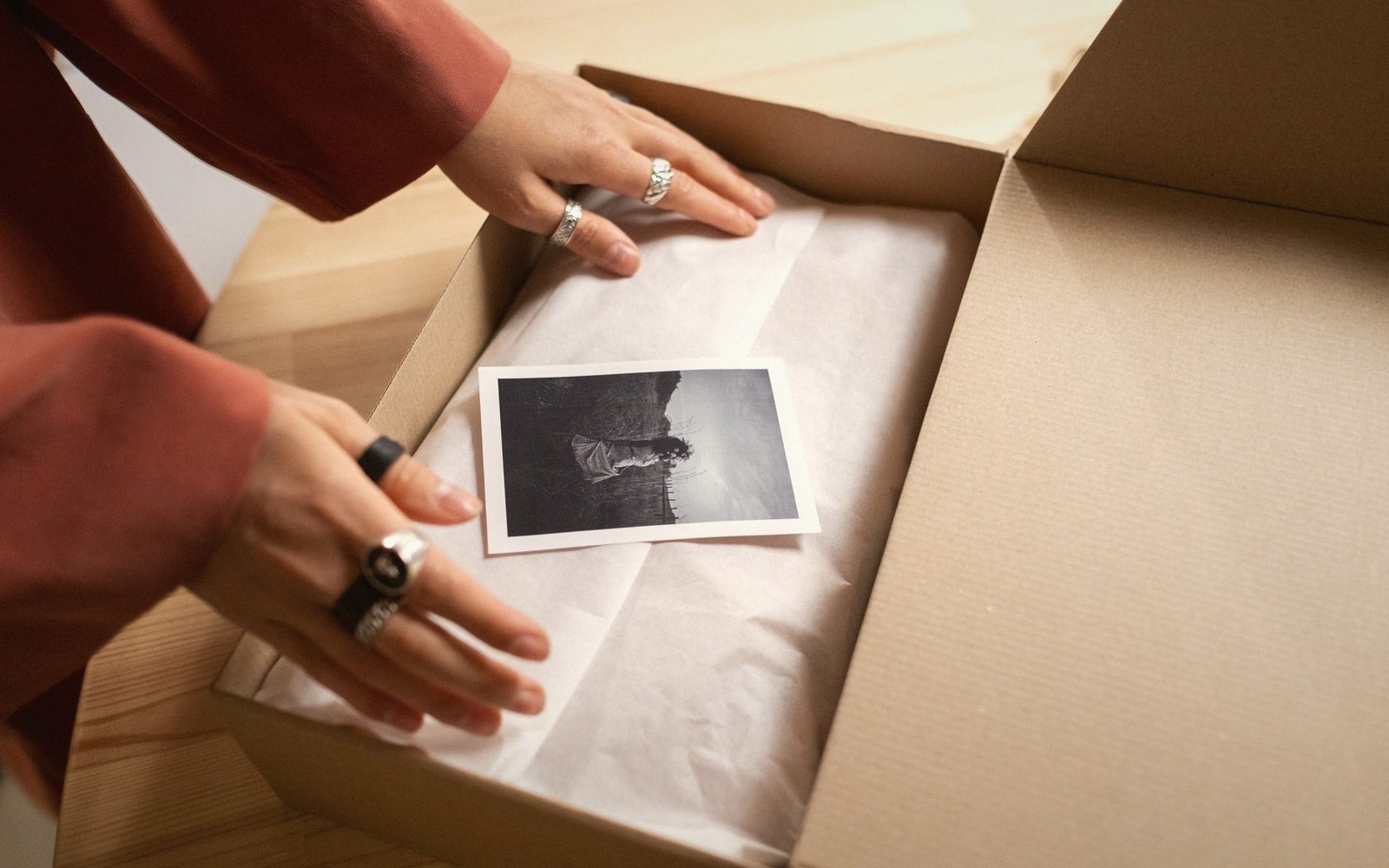
What you are building toward is a set where every frame has survived two cold encounters: the first pass's elimination of technical failure, and the second pass's elimination of sentiment. A picture that clears both hurdles has earned its place in the sequence. One that only survived because you were there when it was made has not.
The second pass isn't a refinement of the first. It's a different edit entirely, made by a slightly different person — one who has, for now, put down the camera.