Stage 01 · The Edit
The ones you love go first
The frames a photographer is attached to are usually attached to the memory of taking them, not to what is in them. An edit that survives is one where somebody else cannot tell which were difficult.
Entry 1 of 4 in The Edit, the first of seven stages between the shutter and the shelf.
The attachment is not to the picture
Every edit starts with the same imbalance: you were there, and your editor wasn't. You know what it cost to get into that room, how long you waited in the cold for a light that never quite arrived, which frame came after an argument with a subject, which one you nearly missed because the camera jammed. None of that information is in the photograph. None of it should be. But it is almost always inside the edit, quietly protecting pictures that don't need protecting and sabotaging ones that do.
The word photographers most often reach for is strong. "That's a strong one," said about a frame that is, on examination, just a frame they remember making. The feeling of strength is real. The source of it is wrong. The attachment is to the event, not the image — to the adrenaline, the effort, the luck, the story they will tell at the opening. The picture is functioning as a souvenir. Souvenirs are for the photographer's drawer, not for a wall or a sequence.
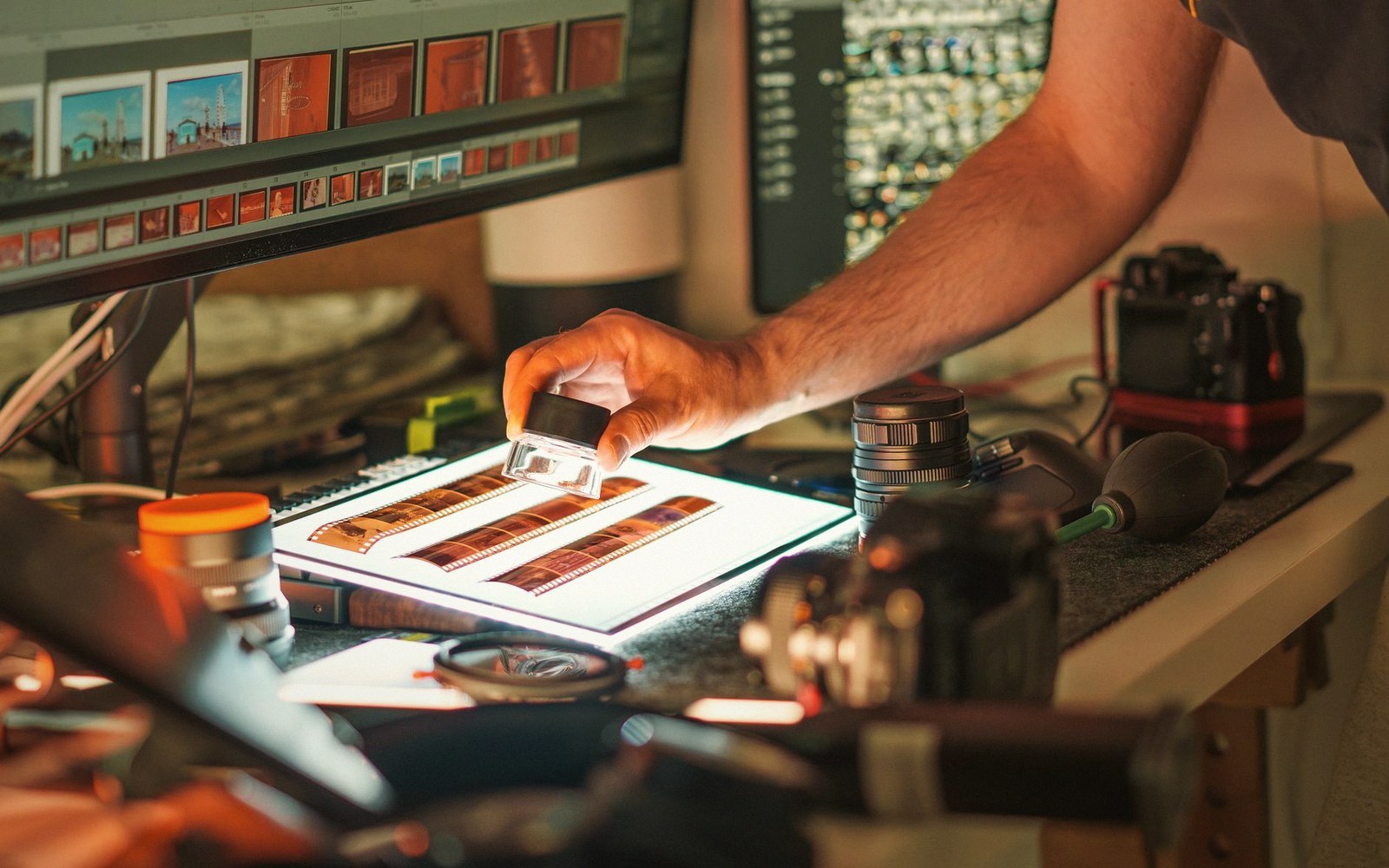
This confusion is almost universal, and it is not a character flaw. It is structural. You cannot be present for the making of a picture and then treat it as a stranger. The difficulty is to understand that the edit requires exactly that: deliberate estrangement from your own memory of the shoot.
Why the favourite usually fails
The picture you most want in is often the one that most needs to come out, and the reason is specific enough to be useful. Favourite frames tend to be moments of peak intensity — the climactic gesture, the one instant the scene declared itself. In isolation, these frames feel irreplaceable. In a sequence, they create a problem of scale. Every other frame is read against them, and every other frame loses.
When a sequence reads as a build toward a single culminating image, the surrounding work becomes scaffolding. Sequencing is a form of argument — each image modifies the one before and the one after — and that argument cannot function if nine frames exist to support a tenth. What was, for the photographer, the most important moment of the entire project is, for the viewer, just the loudest note in a set of dynamics that could have been much more interesting.
There is a further problem. The picture you love is often the most literal. It shows exactly what the work is about. It answers the question too cleanly, too early, or too finally. Killing that picture is a specific discipline, and it is worth understanding as such rather than as an accident you happen to arrive at one day after a long edit. The literal frame tends to feel essential to the photographer because it is the only image that directly confirms what they were trying to do. Its absence feels like losing the argument. In fact, its absence often opens one.
The method of estrangement
There is no trick that fully simulates not having been there. But there are practices that move the edit toward something closer to a stranger's read, and they matter.
The first is time. Not days — weeks or months, long enough that you lose the specific memory of order in which the frames were made. On the contact sheet, the pictures are laid out in the sequence of capture, and that sequence has an authority it hasn't earned. The roll unfolds like a narrative because it is a narrative: this happened, then this happened. But the finished work may need a completely different logic, one that serves the viewer rather than your memory of the day. Time erodes the capture-sequence authority. The pictures start to look like pictures again rather than records.
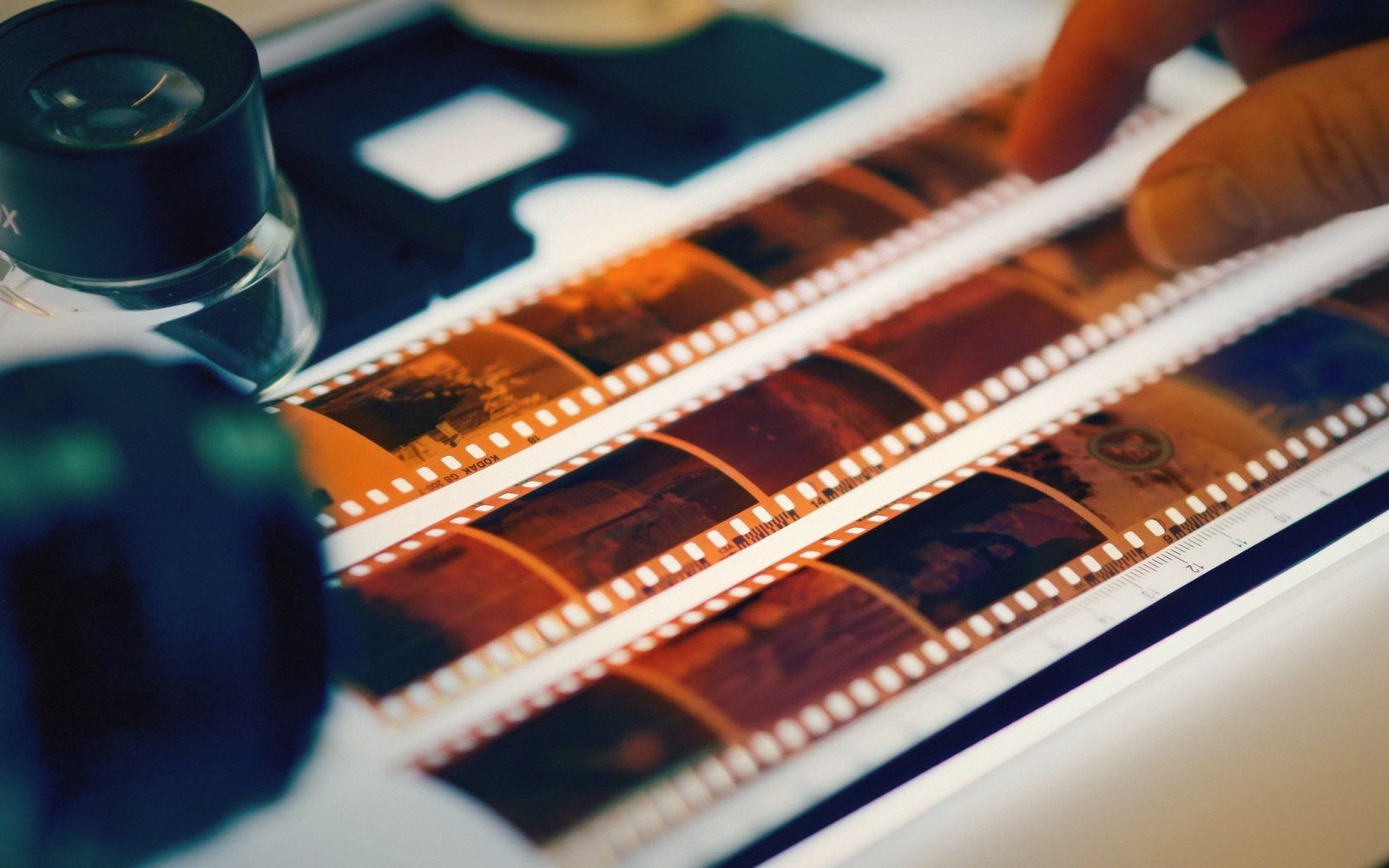
The second is paper. Look at prints in hand, not thumbnails on a screen. When frames are small and uniform, the sense of relative importance is hard to register; every image sits at the same distance from every other. A work print — cheap, rough, made to be handled and discarded — gives each frame a physical presence that starts to separate what is actually in the image from the charge of memory around it. Mark the ones that hold. Mark the ones that make you flinch in the good way. Set aside the ones you love.
The third is other eyes, deployed carefully. Not an audience for reassurance, not a peer who was on the shoot, but someone who can read the pictures without any prior knowledge of the project or the conditions under which it was made. What they respond to is not necessarily right. It is, however, information. When the frame you love most goes unmentioned by three separate readers, that is data worth taking seriously. When the frame you assumed was filler makes all three of them stop, that matters too.
The edit that conceals the surgery
The test of a complete edit is not whether the good pictures are in. It is whether anyone looking at the finished sequence can identify which images were difficult to include and which were difficult to remove. An edit that passes this test has a particular quality of evenness — not sameness, but equivalence of commitment. Every frame is there for what it shows, not for what it cost.
This evenness is what separates an edited body of work from a curated one. Curation, in the colloquial sense the word has acquired, often preserves personal hierarchy — the signature pieces, the famous frames, the ones the photographer would defend to the last. Editing in the harder sense reassesses that hierarchy from scratch. The signature piece may survive. The famous frame may survive. But they survive because they function in the context of the whole, not because they are protected by sentiment or reputation.
The other thing that gets quietly removed in this process is the explanation. The frame that shows exactly what the project is doing — the one the photographer would point to if asked what the work is about — usually goes. Not always, but often enough that its removal should be treated as a working hypothesis. What the sequence must not do is teach the viewer what to think. It must hold open enough space that thinking is still required. The frame that closes that space, however much the photographer needs it, is a cost the viewer shouldn't have to pay.
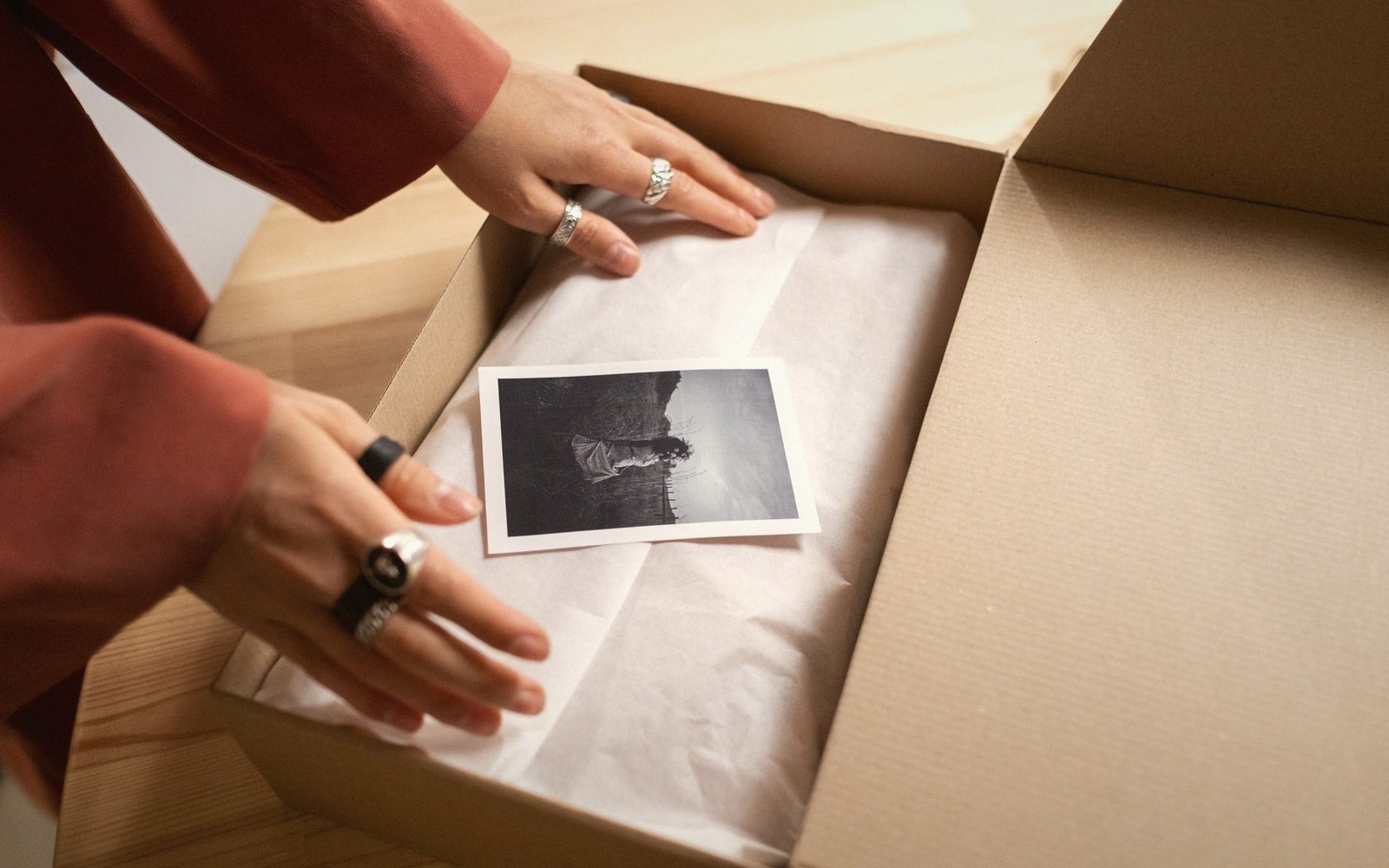
None of this makes the cut easier. It makes it clearer. You will know which pictures are attached to memory rather than to image because when you try to articulate why they belong, the answer is about the day. You were there. It was extraordinary. The camera jammed. You nearly missed it. These are the right reasons to love a photograph. They are not reasons to keep it.