Stage 02 · Sequence
Order as argument
Two photographs side by side make a claim neither makes alone. Sequencing is building those claims deliberately.
Entry 1 of 3 in Sequence, the second of seven stages between the shutter and the shelf.
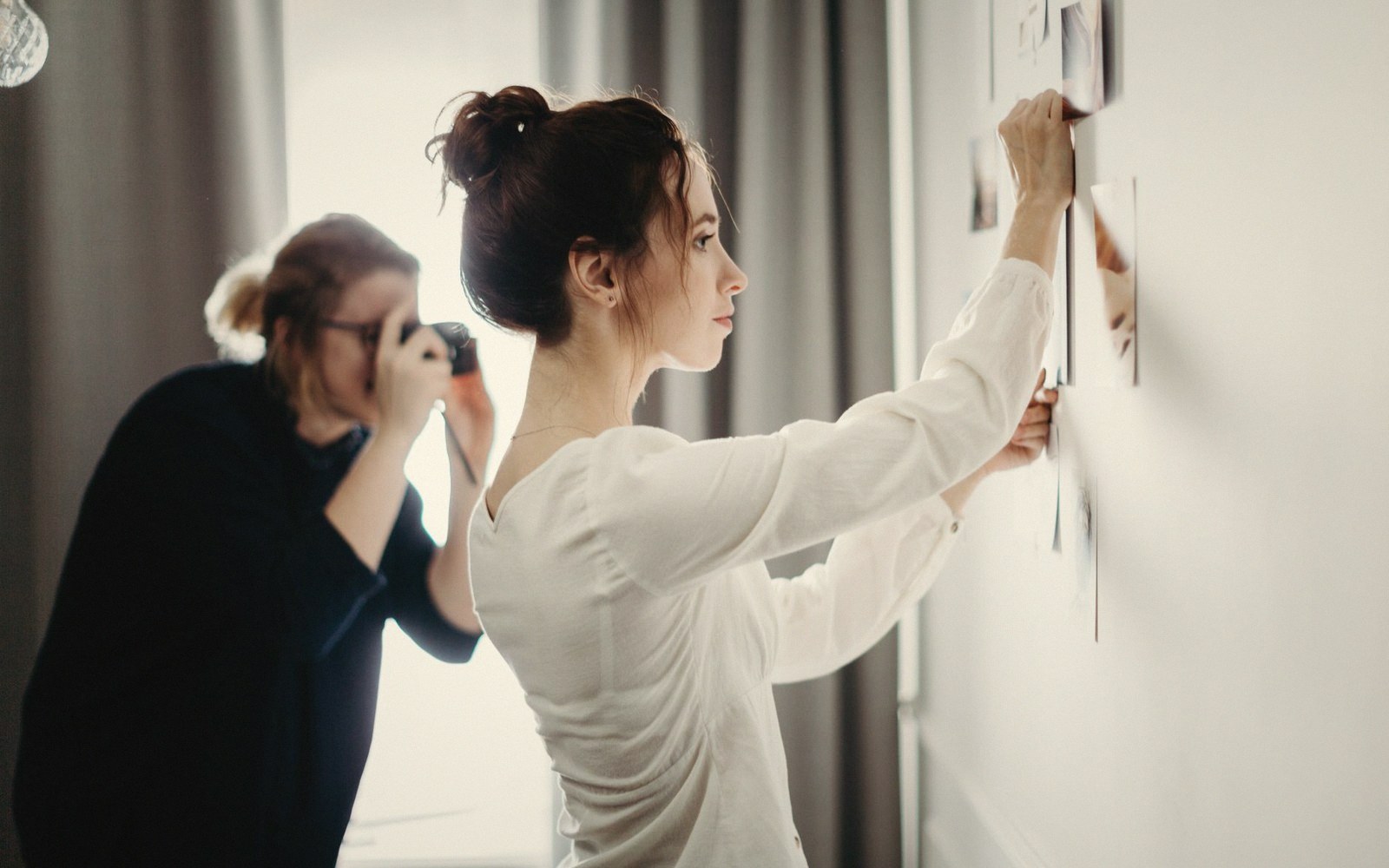
Two photographs side by side make a claim neither makes alone. Sequencing is not arrangement — it is rhetoric.
The cut is only the beginning
Editing gets most of the credit. Photographers agonise over which frames survive the cull, treat the selection as the work, and then lay the survivors out in roughly the order they were shot. That last step — the sequence — is where the real argument either forms or collapses, and most people treat it like tidying up.
A single photograph makes an assertion. Put a second photograph after it and you have created a relationship: cause and effect, question and answer, echo, contradiction, escalation. The viewer reads between the two frames as naturally as they read between words in a sentence, and what they read there is not in either image — it is in the gap. That gap is the material. Sequencing is the act of deciding what the gap says.
This is not a metaphor. It is the mechanism. Soviet montage theory named it in cinema long before photographers caught up: the meaning produced by two adjacent images is different from — and greater than — the sum of their individual meanings. Lev Kuleshov's famous intercutting experiments in the early 1920s showed that audiences will construct emotion, intention and narrative from juxtaposition alone, even when the source material is entirely neutral. The same physics operate on a wall or a page.
Building the claims
A sequence is a series of claims stacked in time. Each pair of consecutive images proposes something; the next pair either deepens it, complicates it or releases it. This means that the same twenty-four photographs can support radically different arguments depending purely on the order they are encountered. A portrait placed before a landscape reads differently from the same portrait placed after it. The landscape has already told the viewer something; the face now inherits that information.
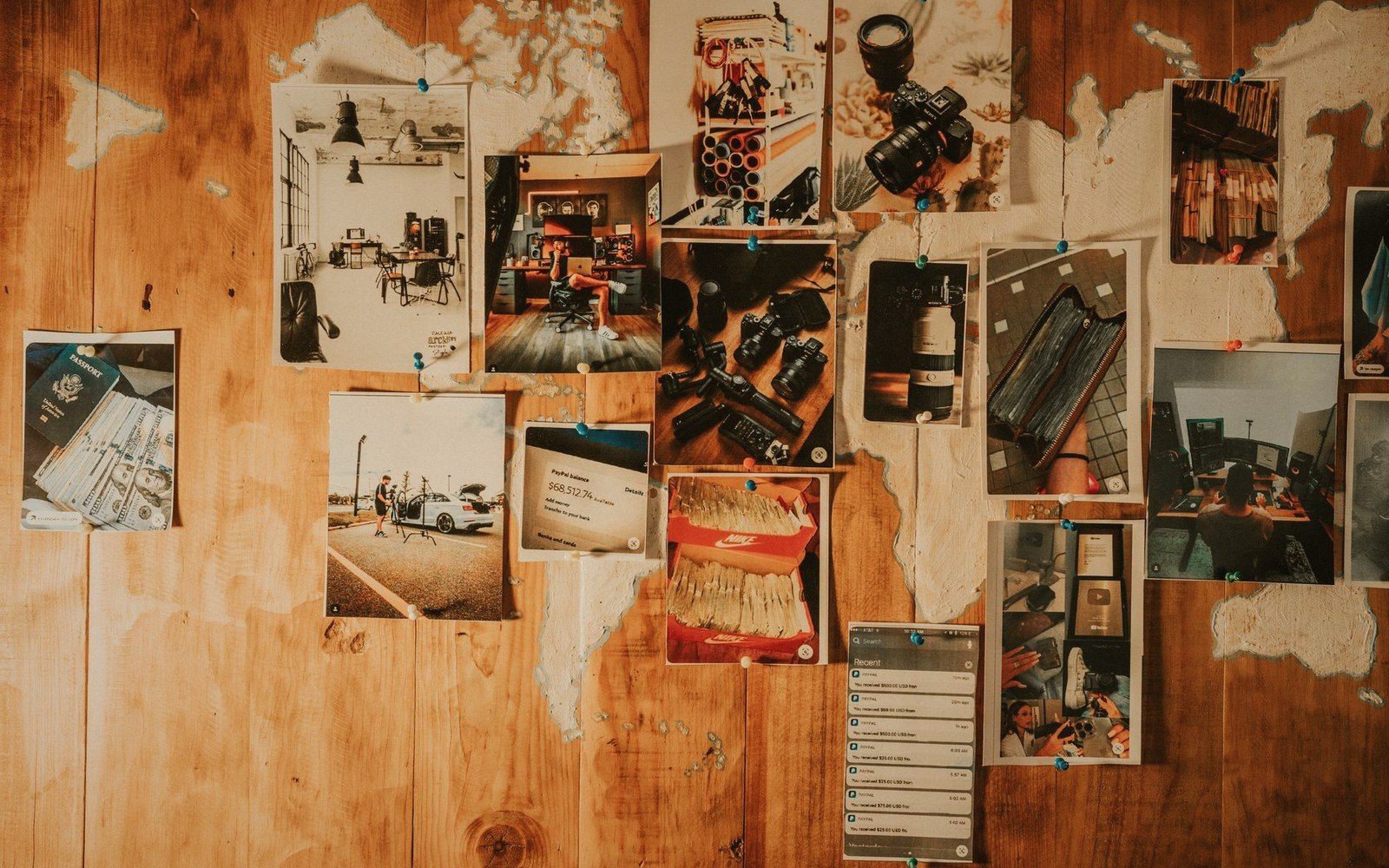
The practical consequence is that sequencing decisions cannot be made one pair at a time. Every change ripples. Shifting frame seven to position twelve does not just alter what surrounds seven — it changes the weight of everything that comes after twelve. The sequence has to be held as a whole, which is why editing on a table or floor, with prints or contact thumbnails you can physically move, continues to outlast any software workflow. You need to see the whole argument at once to know when a single line of it is wrong.
Tension and release are the two levers. A run of frames that share tone, subject or graphic structure builds pressure; a frame that breaks from them releases it — and in that release, the viewer becomes briefly conscious of what the run was doing. Use that moment: it is where a sequence can land a claim that no single image could carry. But release too early and you have deflated your own argument. Hold tension too long and the viewer stops reading; the run becomes wallpaper.
Direction matters as much as content. A sequence that accelerates — frames getting tighter, darker, more compressed — argues toward inevitability. One that loosens argues toward resolution or ambiguity. Neither is right or wrong; both are commitments. The photographer who sequences without thinking about direction is making an accidental argument, which is almost always a weak one.
What the gap owes the frame
There is a discipline that comes before all of this: the sequence has to know what it is trying to answer. Without that, there is no way to judge whether a gap is earning its place or just filling space between interesting pictures. Two strong images next to each other are not a sequence; they are a coincidence. The argument — the actual claim the work is making — only becomes visible when every transition is a deliberate choice, when each gap is put there because of what it does to both neighbours.
That is a high standard, and most working sequences fall short of it in places. But holding it as the target changes how you handle the material. It turns the question from which picture goes next? into what do I need the viewer to understand here, and which picture produces that understanding in this position? Those are different questions, and only the second one is sequencing.