Stage 02 · Sequence
Pace
Density and rest. A run of similar frames reads as one; a break resets attention.
Entry 2 of 3 in Sequence, the second of seven stages between the shutter and the shelf.
The rhythm a sequence builds — and how to break it deliberately
A sequence that never changes speed eventually stops being seen. The eye habituates: three frames with a similar tone, similar framing, similar emotional register, and the fourth becomes furniture. The viewer is still looking, but they have stopped paying attention. Pace is the mechanism that prevents this — and understanding it begins with understanding what similarity actually costs you.
Density and rest are the two materials. Density is a run of frames that share something important: focal length, subject distance, light quality, emotional pitch, or some combination of all four. Run enough of them together and you build pressure — productive pressure, if you are controlling it, deadening pressure if you are not. Rest is the frame that interrupts. Not a weaker picture, not filler, but a picture that works differently, that slows the read or opens space after a stretch of intensity.
The analogy that holds up is musical phrasing. A composer does not write the same dynamic for four bars and expect the fifth to land hard; they have already spent the contrast. The same logic governs a sequence of photographs: what comes before determines how much weight the next frame can carry. A single wide, quiet frame after a run of tight, cluttered ones will hit harder than any individual picture in the run — not because it is the best picture, but because rhythm has set it up.
Reading for tempo before you cut
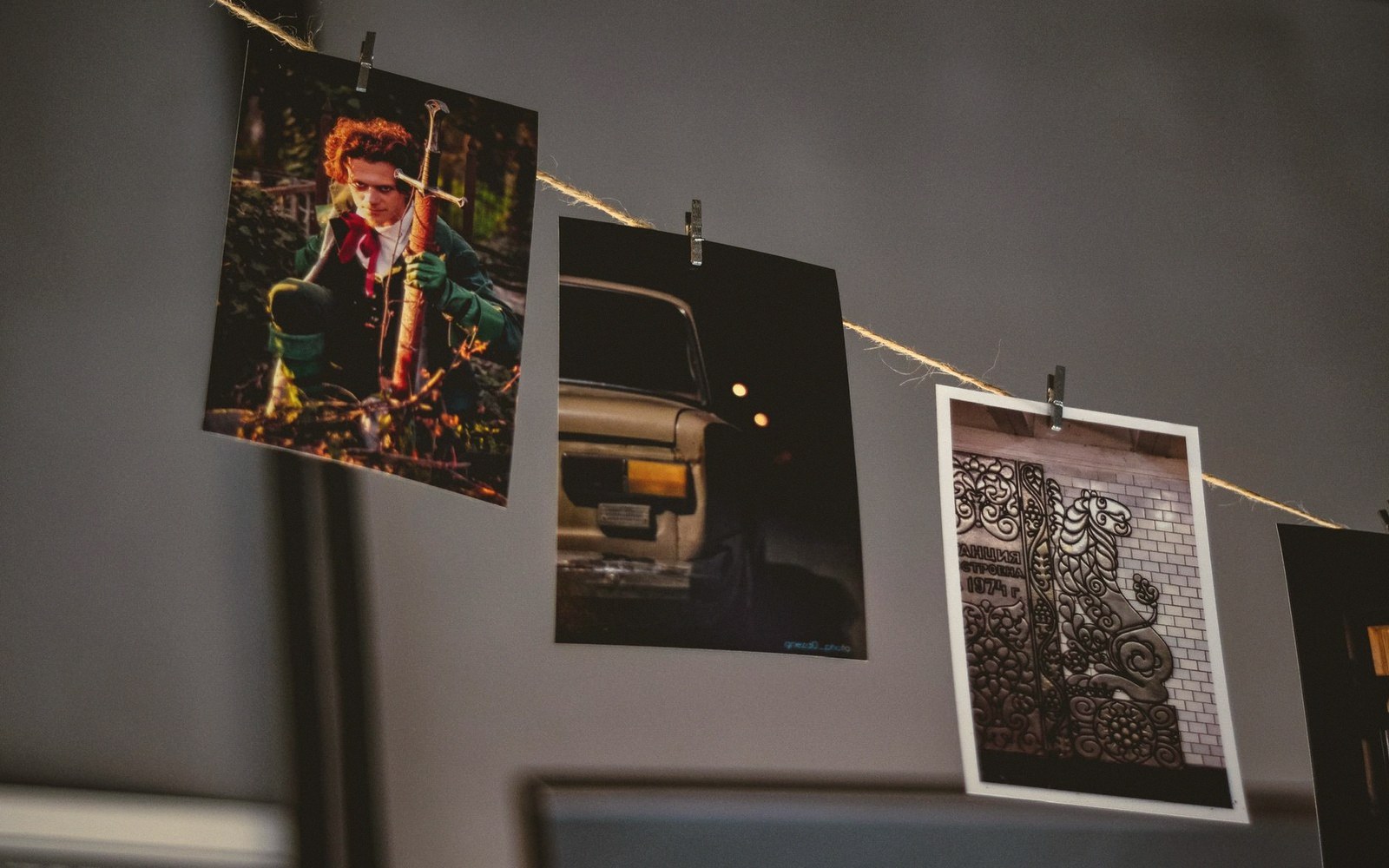
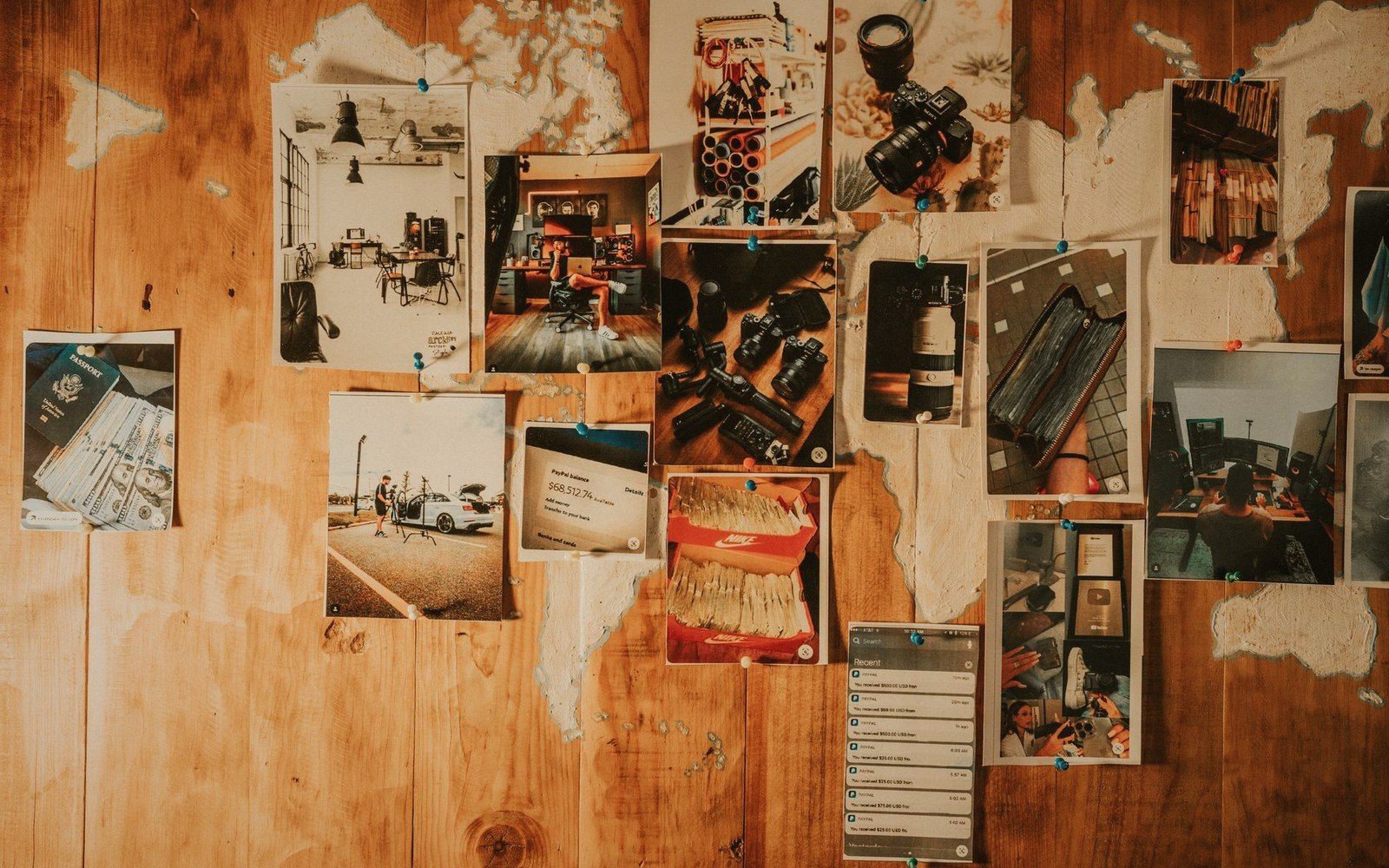
Most photographers looking at a spread or a wall of prints see individual pictures. The edit requires a different mode of attention: seeing the intervals. Print the sequence small, step back, and look for the shape it makes as a whole — where the visual weight clusters, where it thins, where there is accidental repetition that blurs into a smear rather than a beat.
A run of similar frames is not automatically wrong. A deliberate accumulation — portraits at the same distance, landscapes held at the same register — builds an argument through density. The error is an unconscious run: frames grouped by accident of shooting rather than by editorial decision. These tend to appear in the middle third of a sequence, where energy is hardest to sustain and where the temptation to include every good picture is strongest.
The practical test is to identify every point in the sequence where a viewer's eye would naturally blink — where attention resets. If those resets come at roughly equal intervals, the sequence has an even, predictable pulse. That predictability is useful for certain kinds of work; for most, it is a problem. Uneven rhythm — a long run followed by a short sharp interruption followed by something slow — keeps the viewer slightly off-balance, which keeps them alert.
Breaks earn their place in several ways. A change of orientation, from horizontal to vertical or back, interrupts without requiring a different subject. A shift from a dense frame to a near-empty one resets tonal weight. A sudden shift in focal length — from wide environmental frame to close detail — breaks both spatial register and implied proximity. None of these is better than another; each is a different kind of punctuation, and the choice should follow what the material needs, not habit.
Scale compounds the effect in a physical installation. A viewer moving through a gallery responds to pacing in space as well as in sequence: a smaller print after a run of large ones changes posture, draws the viewer in, changes the implied relationship between looker and image. The sequence is not only what is on the wall — it is the experience of moving along it.
Where sequencing and pacing become inseparable is in the order as argument question: once you accept that adjacency makes meaning, you cannot avoid the question of tempo. Two pictures that belong together rhythmically may argue badly when placed beside each other; two that argue well may kill each other's pace. Neither logic wins automatically. The edit is the negotiation between them, made print by print, until the whole thing holds its breath in the right places — and releases it.