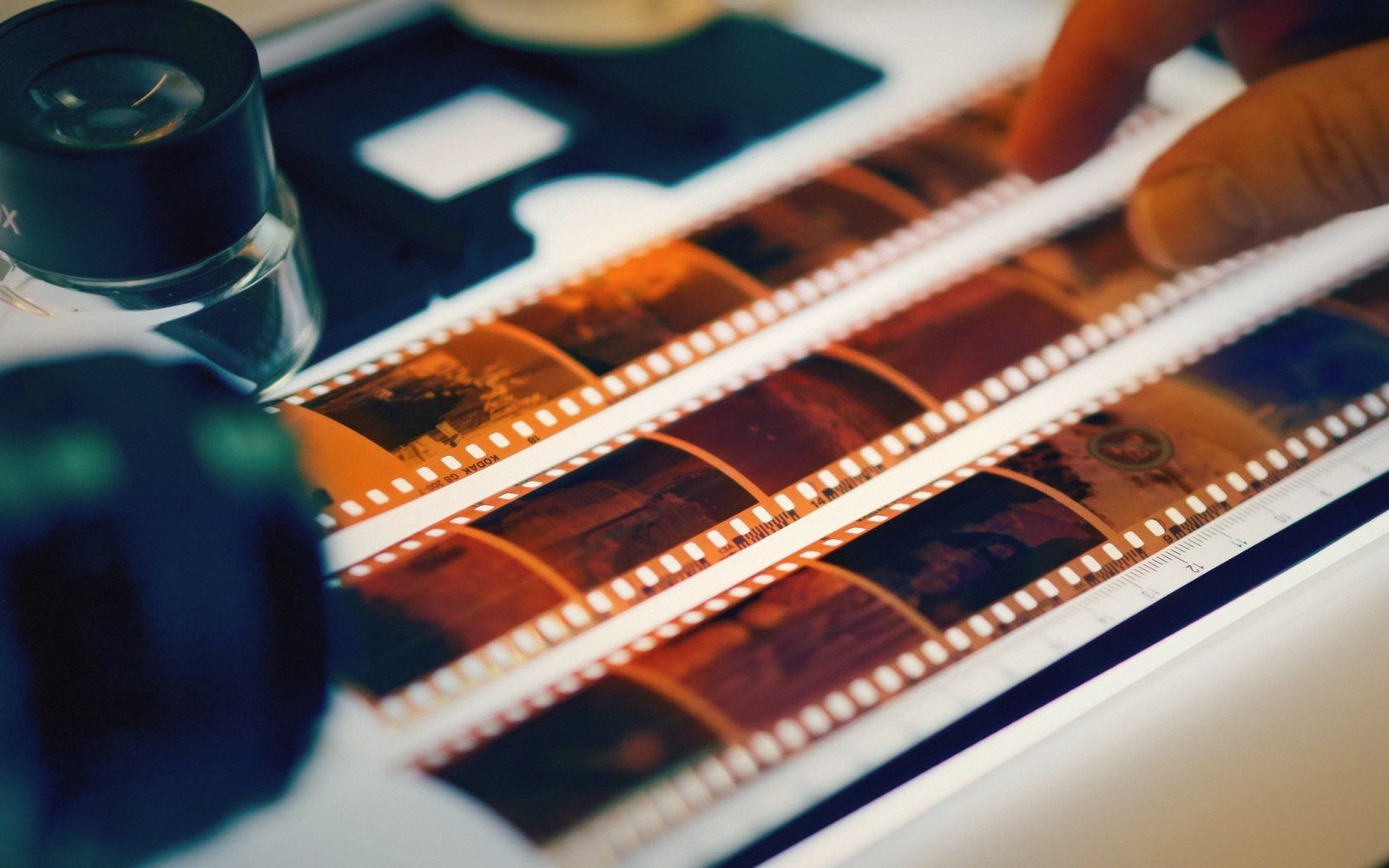
Stage 01 · The Edit
Killing the obvious
The picture that explains the project usually flattens it.
Entry 4 of 4 in The Edit, the first of seven stages between the shutter and the shelf.
The frame that sums everything up is almost always the one to cut
Every project grows one. The photograph that explains itself, that caption-writes its own text, that a stranger glances at and immediately understands the whole endeavour. It is usually the sharpest, often the most technically accomplished, and almost certainly the first one you show people. It is also, with rare exceptions, the one that should go.
The problem is precision. A frame that declares its meaning closes the loop before the viewer has had a chance to enter. It does the work that the sequence was supposed to do collectively, and it does it too fast and too cleanly. What remains for the other twenty-three prints to accomplish? Confirmation. And confirmation is not the same as meaning — it is just repetition with fading returns.
This is different from the sentimental attachment that pulls photographers toward a frame because of what it cost to take. That is a memory problem. The obvious frame is more insidious because it looks right. It behaves correctly. It might even be, by any single-image standard, the best photograph in the room. But a body of work is not a single image, and what a sequence needs from each of its frames is friction, not resolution. The image that resolves too quickly creates a dead centre around which the rest orbit uselessly.

The test is blunt: remove the frame and lay the edit flat without it. Does the project get harder to understand? Good. Does it become less certain what you are looking at? Better still. A sequence that needs one image to be legible has made that image a crutch, and crutches are structural failures dressed as solutions.
Editing against a question before you cut tends to surface this problem early, because the obvious frame is usually the one that answers the question in plain English when the rest of the work answers it sideways, obliquely, honestly. The sideways answer is almost always the stronger one.
Keep the obvious frame in the archive. Print it if you need to remember where you started. But do not give it a number, and do not give it a wall.