Stage 03 · Scale
The size a picture wants
Detail-dense frames need room; graphic ones often shrink well. Scale is part of the picture, not a display decision.
Entry 1 of 3 in Scale, the third of seven stages between the shutter and the shelf.
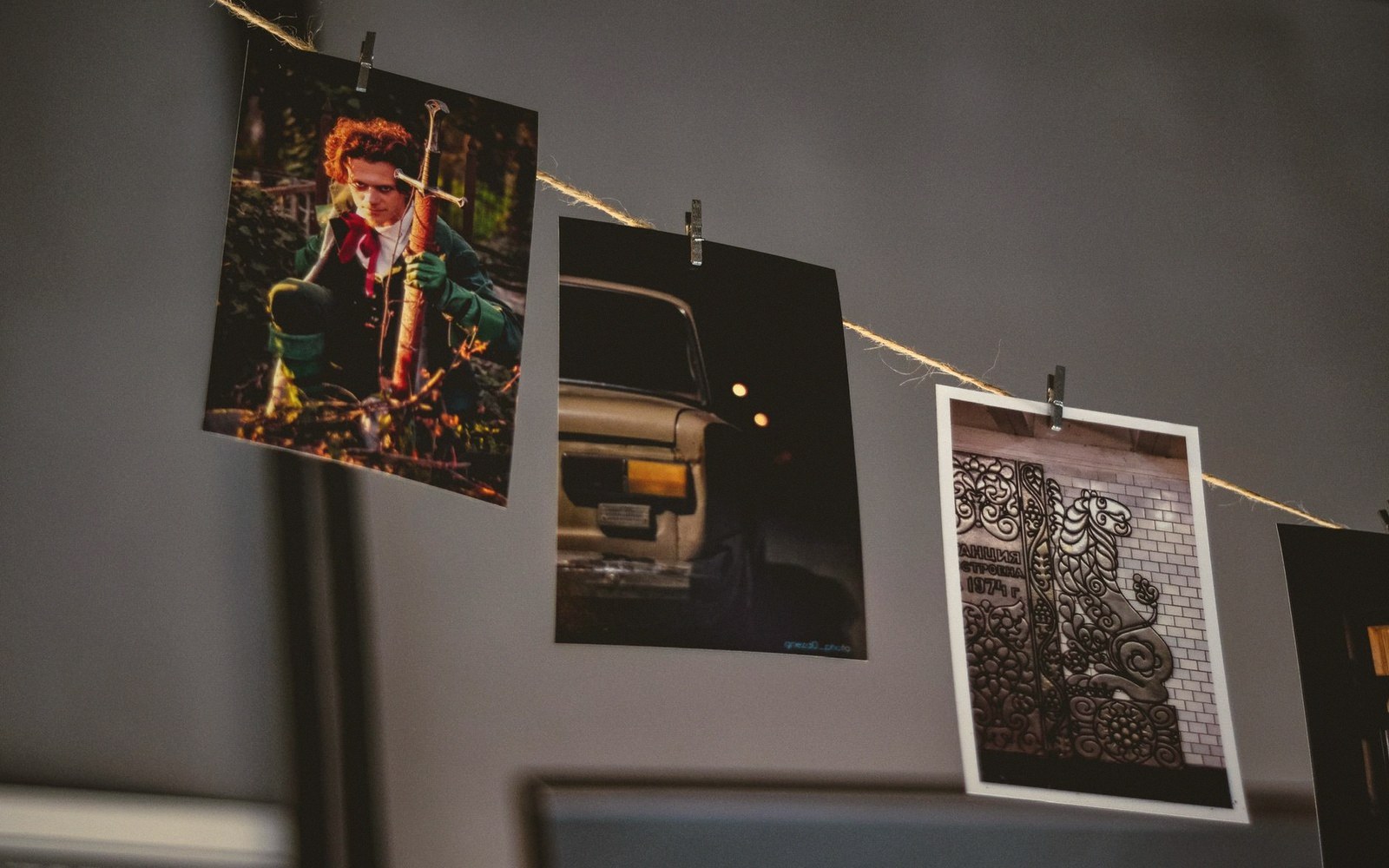
Scale is not a display decision made after the edit. It is part of the picture — and the picture usually already knows.
Reading what a frame already contains
A detail-dense photograph holds information at multiple focal distances. Work across that kind of image — a landscape in which the middle ground contains its own story, a portrait where the skin and the background fight for equal weight — and you are looking at a frame that needs room. Print it small and the competition between planes collapses into noise. Nothing resolves because nothing is allowed to. The viewer stands in front of something that reads as busy rather than complex, and the distinction is entirely a function of size.
Graphic frames behave differently. A high-contrast silhouette, a flat field of colour interrupted by a single form — these are images built from large, simple decisions, and they hold at small scale because there is nothing finer to lose. They may even gain at small scale, the compression tightening the graphic tension rather than destroying it. Printing them large can expose the vacancy at the centre of a purely formal picture: what read as boldness at twenty centimetres reads as bluff at a metre.
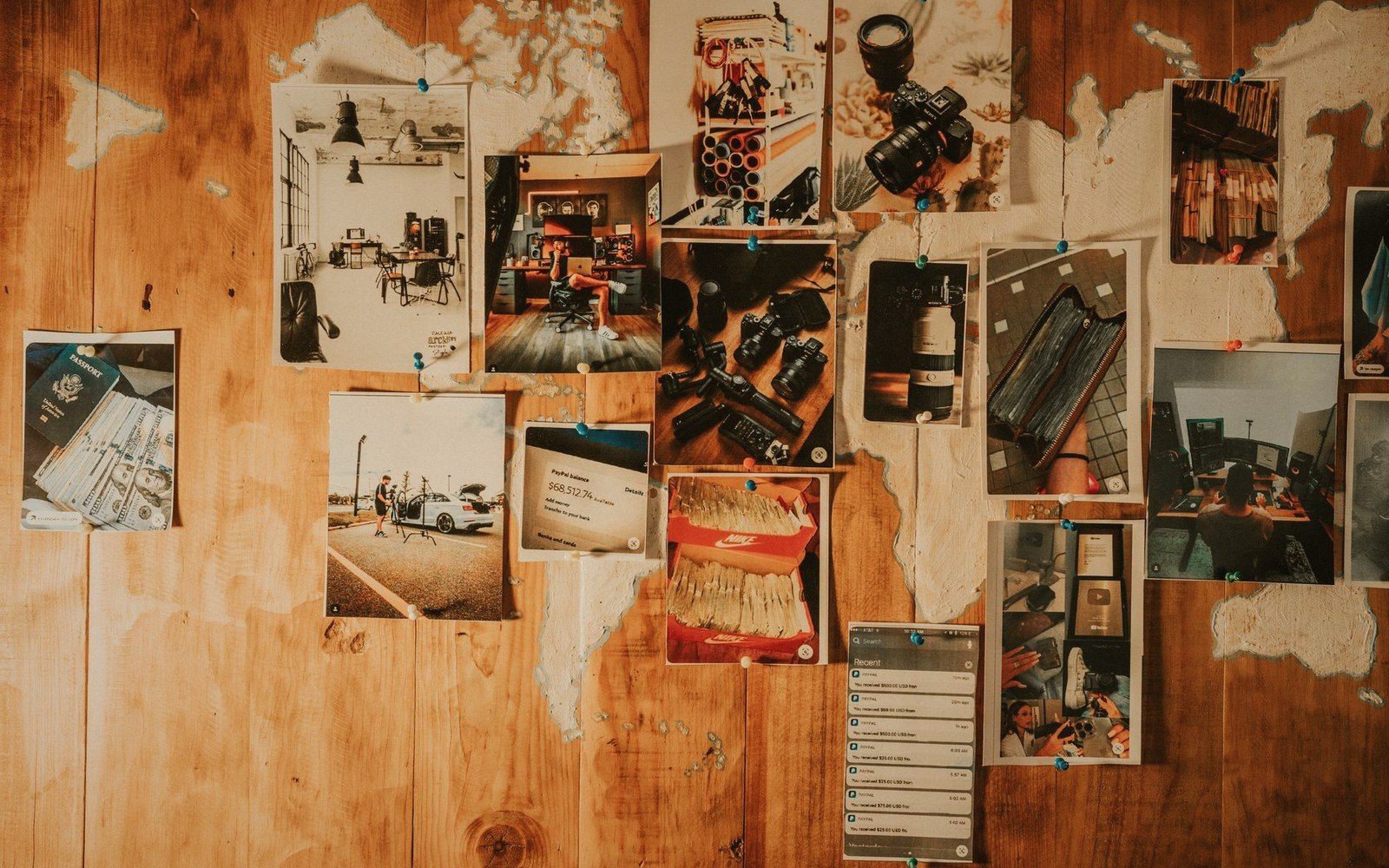
This is the first test worth applying to any frame under consideration: what level of information does this image actually contain, and at what size does that information become legible — not just visible, but legible in the sense that the eye can trace a path through it? Detail-dense and graphically spare are not value judgements. They are descriptions of how a frame is structured, and they predict how it will behave at scale.
The relationship between scale and subject weight
Scale also carries rhetoric. A large print makes an argument about importance. It asks the viewer to stand before something, not to hold it. That demand had better be warranted. When the subject is monumental — architecturally, emotionally, politically — scale can confirm the frame's weight. When it is intimate, scale can simply inflate rather than honour. A face printed at the size of a face is a portrait. The same face printed at two metres is a public claim, and that claim needs to be earned.
This is why the convention of printing everything large — a tendency in exhibition culture for a long stretch — often weakens individual photographs. When everything is the same size, scale stops signalling anything. The viewer adjusts, and the rhetoric collapses into wallpaper. Variation in scale within a body of work is part of the argument, the same way sequencing is: a small print in a room of large ones focuses the eye with the same effect as a rest in music.
The physical relationship between print and viewer matters here in ways that are worth thinking through before a print is committed. Viewing distance is not simply about the room — it is about when the image resolves and what the eye does between entry and resolution. A print that forces the viewer to move toward it to find what is inside it creates a different kind of looking than one that delivers everything from across the room. Both are legitimate. Neither is automatically better. The question is which behaviour the image is asking for.
Fixing scale before you print
The practical discipline is to make the decision about scale as part of the editing process, not after it. A rough test — projecting the file, or pulling a contact sheet and placing a small work print next to a large one — is enough to reveal whether a frame can hold at the size being considered. This is not about the maximum size the file can support technically. It is about the size at which the image is most fully itself.
Some photographs are genuinely small pictures. That is not a failure. Forcing them large to meet an expectation about how exhibition work looks does them no favours and the viewer no service. The edit, in the end, is a series of decisions about what each frame actually is — and scale is one of those decisions, earlier and more structural than it is usually treated.