Stage 06 · The Archive
Naming and finding
An archive you cannot search is storage.
Entry 3 of 3 in The Archive, the sixth of seven stages between the shutter and the shelf.
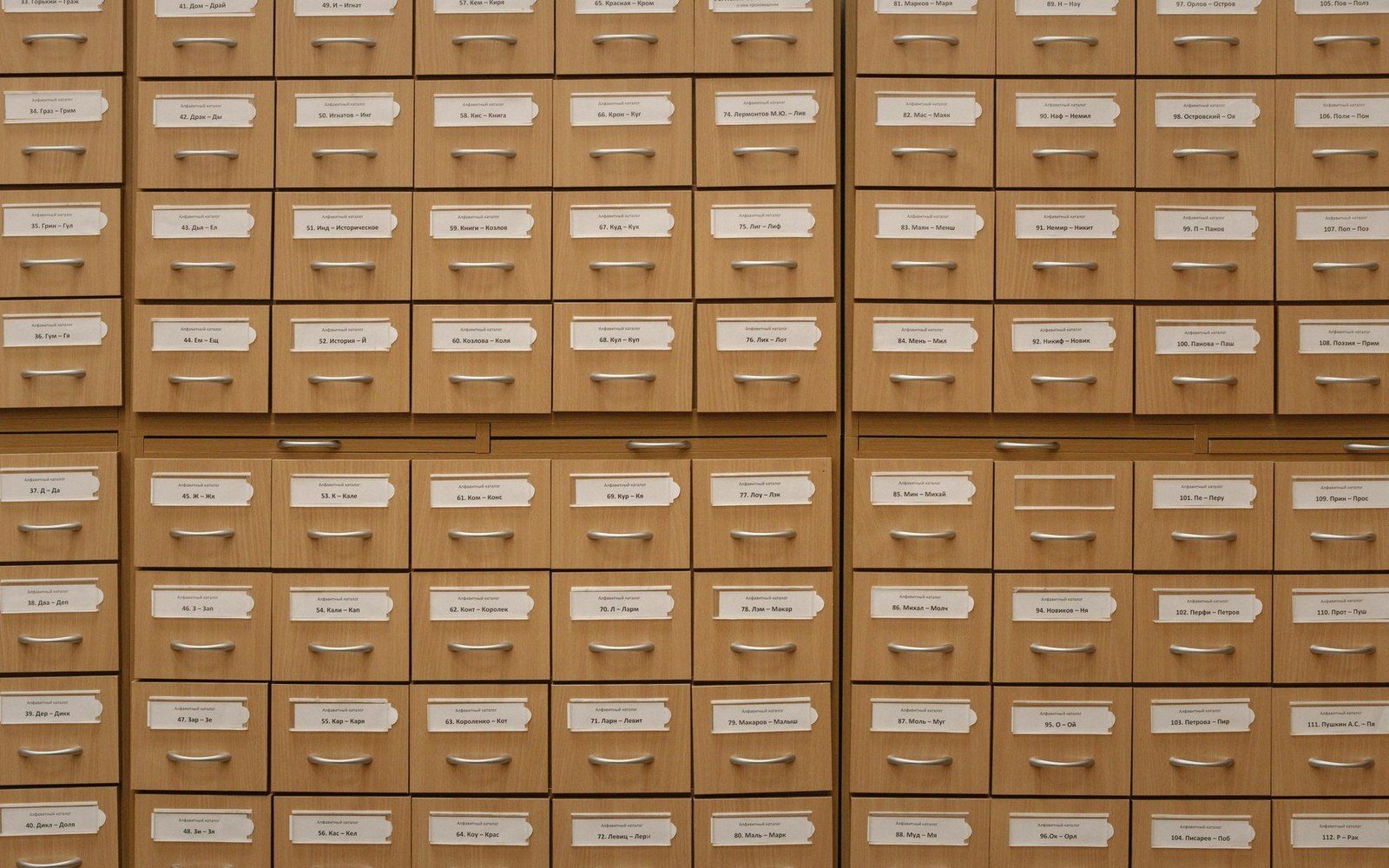
The difference is a naming convention you make once and keep.
The cost of an improvised system
Most photographers name their files the way a camera names them: IMG_4471, DSC_0012, a rolling counter that means nothing and resets across cards, across cameras, across years. It works until you need something. Then it costs an afternoon, or the picture does not surface at all.
A workable archive requires two things: a consistent file-naming convention applied at ingest, and a folder hierarchy that reflects how you actually think about the work — by date, by project, by subject, or by some combination. Neither needs to be sophisticated. Both need to be stable. Changing systems halfway through an archive is worse than choosing the wrong system in the first place, because then you have two archives that do not talk to each other.

The standard approach to file naming runs: date first in reverse order, then a project code, then the camera's original sequence number. A frame from a project coded COAST shot on the fourteenth of March becomes 20240314_COAST_4471.RAF or .DNG or .TIF. The date prefix sorts chronologically in any file browser without additional software. The project code links the file to a folder, a contact sheet, a brief. The original sequence number survives as a trace back to the raw capture if you ever need it.
Folder hierarchy answers a different question: not what is this file, but where do I look first? A structure that runs YEAR → PROJECT → SELECTS → DELIVERABLES gives you a predictable path at any scale. SELECTS sits inside the project folder and holds only edited-down work; the full ingested take lives in a parallel RAW folder. This separation matters because the contact sheet edit — the fast first pass — should never overwrite what came off the card.
Keywords and metadata are a third layer, and here the risk is over-engineering. A keyword taxonomy that runs to hundreds of terms becomes a project in itself. Keep it flat: location, subject-type, technical condition, any publication reference. The goal is retrieval, not taxonomy. If your catalogue software collapses tomorrow, the file name and the folder path should still get you close.
The single most useful discipline is ingest as a ritual, not a catch-up. Files named on the day they arrive are files you can find in three years. Files named later — or not at all — accumulate into a mass that grows faster than the time available to fix it. The archive does not wait politely.