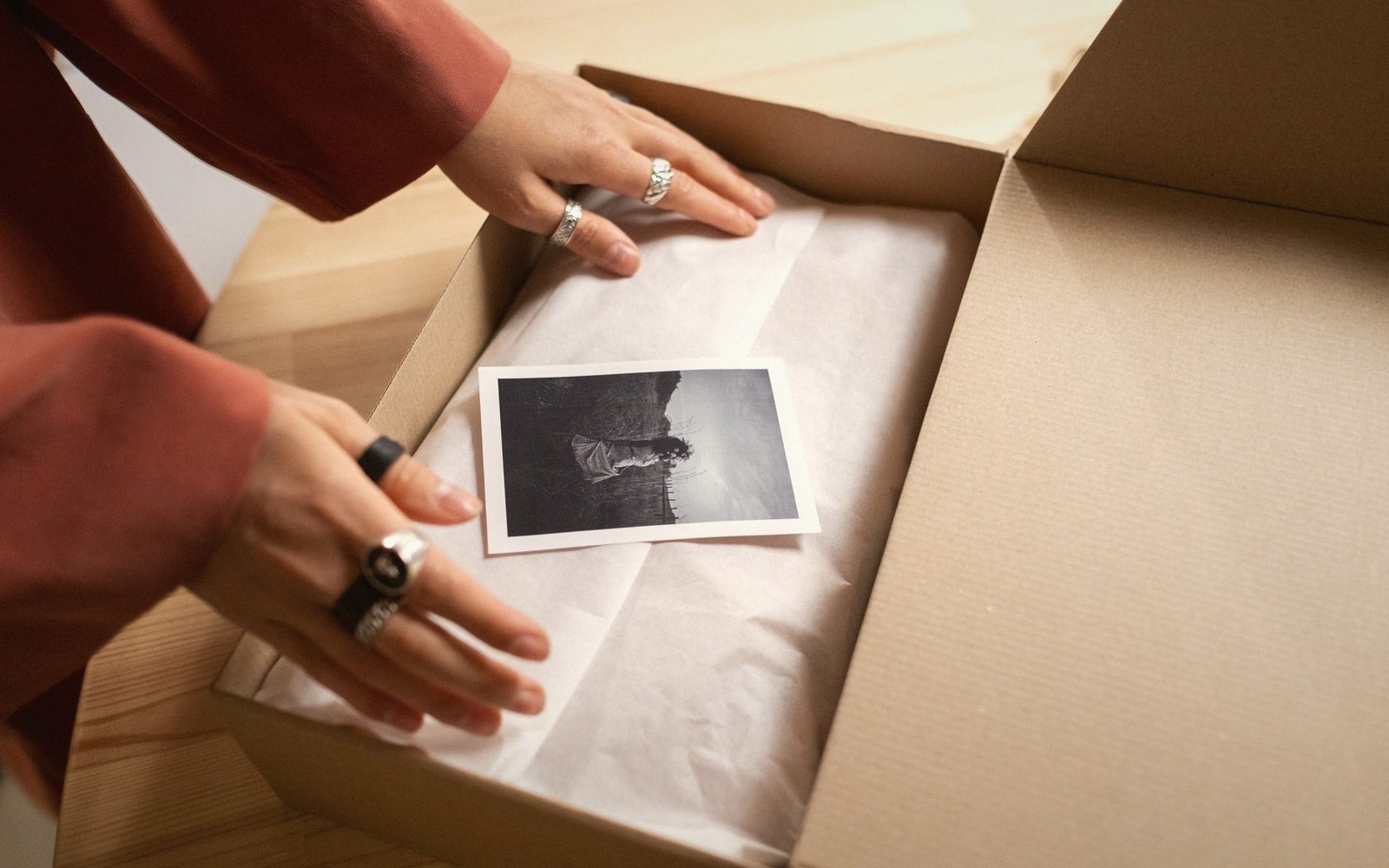
Stage 06 · The Archive
Sleeving and boxes
Inert materials, and why the cheap sleeve is expensive later.
Entry 2 of 3 in The Archive, the sixth of seven stages between the shutter and the shelf.
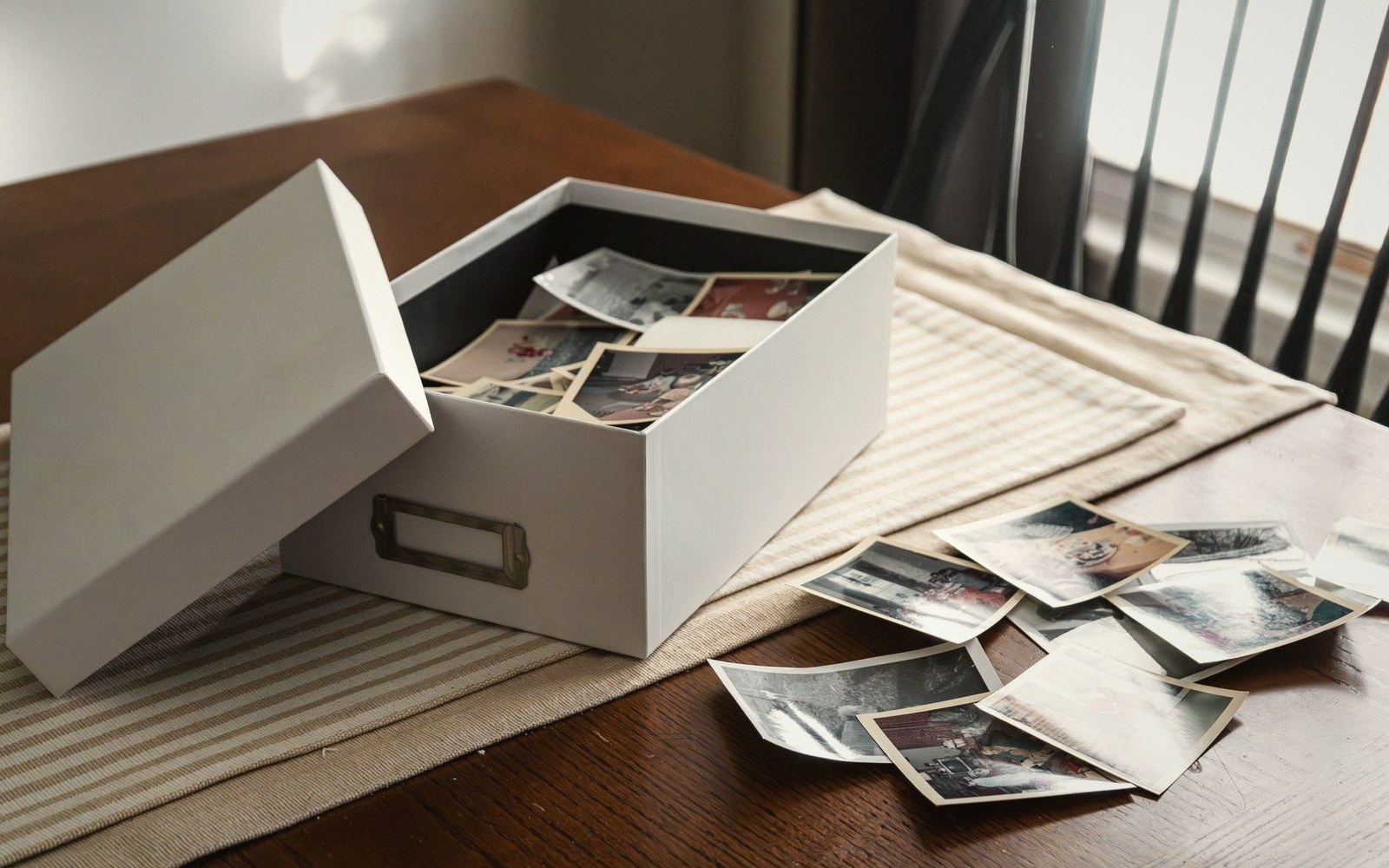
The sleeve you buy twice
Polypropylene, polyethylene, polyester — the distinctions sound technical until a print starts to yellow inside a sleeve that was supposed to protect it. The wrong enclosure doesn't announce itself immediately. It works slowly, over years, and by the time the damage is visible the question of what it cost has already been answered.
The principle is simple: anything that touches a photograph should be chemically inert. In practice, most of the sleeves sold in general office-supply contexts are made from PVC, which off-gasses plasticisers as it ages. Those plasticisers migrate. They soften emulsions, promote adhesion between print and sleeve, and accelerate the very deterioration the sleeve was meant to prevent. The sleeve looks like archival storage. It is not.
Archival-grade enclosures are made from one of three plastics — uncoated polyester (often sold under the trade name Mylar, though that name covers many grades), uncoated polypropylene, or uncoated polyethylene — or from paper and board that has been tested to the Photographic Activity Test, a standard developed by the Image Permanence Institute at Rochester Institute of Technology and formalised under ISO 18916. The PAT, as it's known in the trade, checks whether an enclosure will cause fading or staining when it contacts a photographic material over time. Passing it is the minimum threshold for anything you expect to keep.
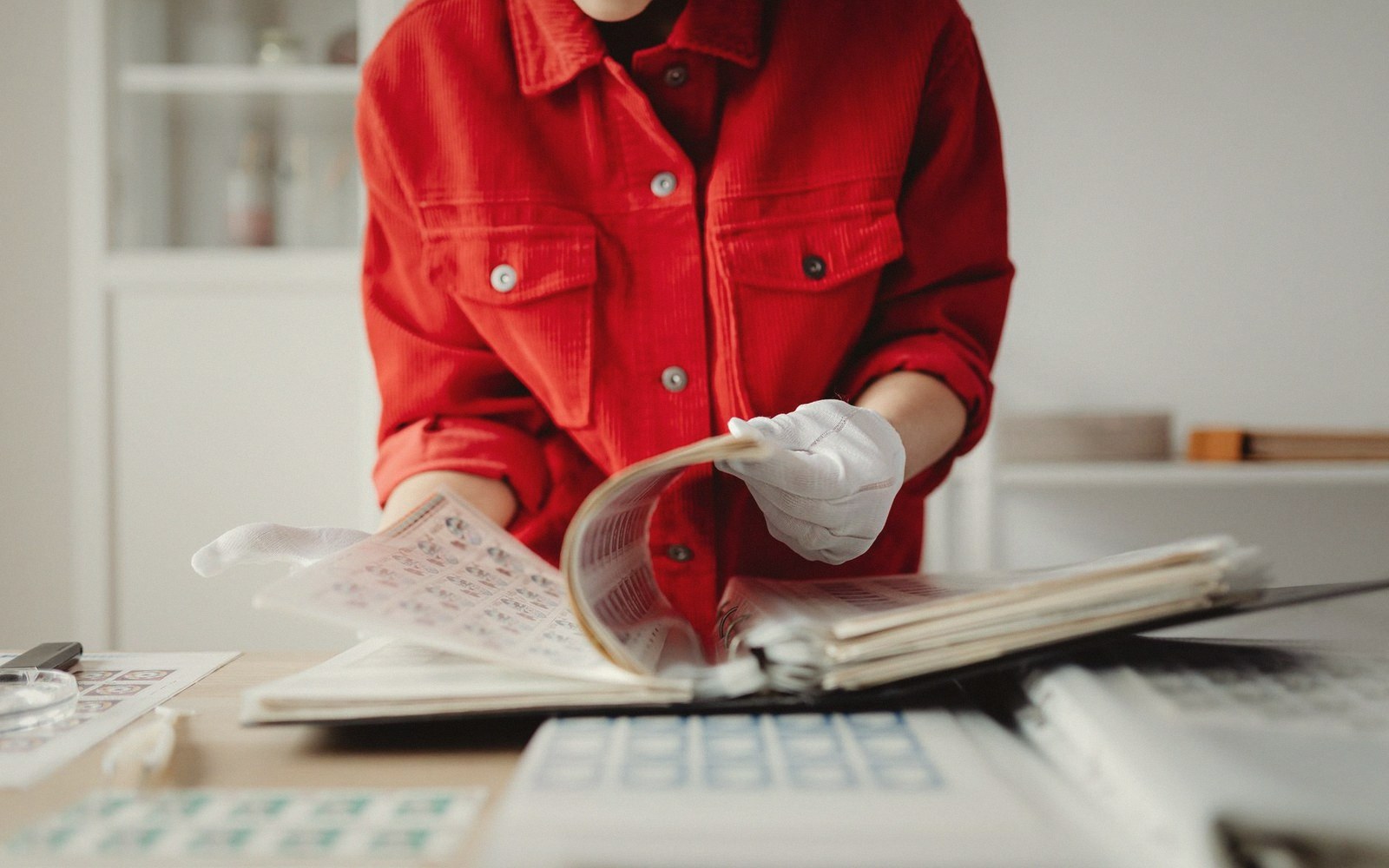
The box matters for the same reason. Cardboard is acidic by default; acid migrates to what's inside. Archival boxes are buffered — an alkaline reserve is built into the board to neutralise acid over time. The exception is storage for colour materials, where manufacturers typically recommend neutral rather than buffered board, because the alkaline reserve can itself affect certain dye sets. Knowing which you have matters before you buy in bulk.
Cold storage extends the life of colour materials dramatically — an exponential relationship between temperature and dye stability means a few degrees makes a real difference over decades. But cold is only useful if the materials going into it are already properly housed; sealing a print in a PVC sleeve and refrigerating it doesn't preserve it, it accelerates the problem at a lower temperature.
The practical upshot: buy right once. Cheap sleeves get replaced, which means handling the material twice and paying again — in money, in time, in the risk that comes with every extra touch. The cost of correct enclosures at the moment of filing is almost always less than the cost of re-sleeving a collection that has already spent ten years in the wrong ones.